























Are Natural Products Cruelty-Free? The Distinction and Overlap Between the Two Concepts
Are Natural Products Cruelty Free?
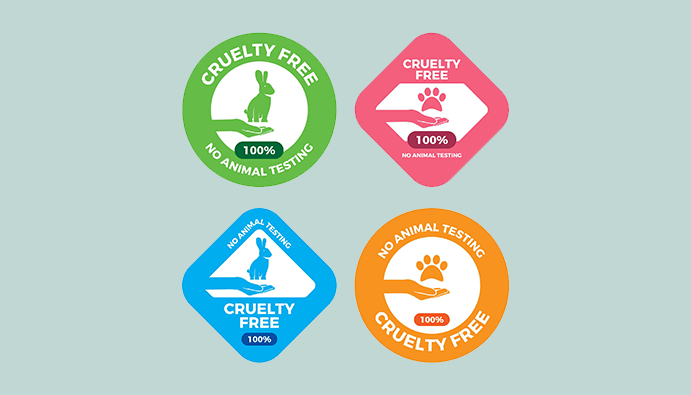
There is no guarantee that natural products are cruelty-free. Just because a product is labeled as natural or plant-based does not mean it has not been tested on animals. These two concepts describe different characteristics of the product. “Natural” refers to the source of the product’s ingredients. It indicates that a product’s components are plant-based, mineral-based, or derived from natural sources. “Cruelty-free,” on the other hand, pertains to the product’s production process. It indicates that neither the product nor its ingredients have been tested on animals. Therefore, a natural product can be cruelty-free; however, this is not a result of its naturalness but rather the result of a separate commitment. Similarly, a cruelty-free product may not be natural; it may contain synthetic ingredients but still not have been tested on animals. To clearly understand what the concepts of “natural” and “cruelty-free” signify—and what they do not guarantee—it is necessary to evaluate these two concepts side by side. There are several reasons why even a product with natural ingredients might be subject to animal testing. Understanding these reasons clarifies the distinction between “natural” and “cruelty-free.” In some countries, animal testing may be legally required for imported cosmetic products. In such cases, even a product with natural ingredients may be subject to animal testing in order to be sold in the relevant market. This legal requirement applies regardless of the product’s ingredients. Natural ingredients are not automatically safer than synthetic components. Some plant extracts, essential oils, and natural ingredients may carry the potential for skin irritation, allergic reactions, and phototoxicity. For this reason, natural ingredients are also subject to safety assessments, and these assessments may have been based on animal testing in the past. Some natural ingredients that have been in use for a long time (such as certain plant oils, essences, and minerals) were subjected to extensive animal testing throughout the 20th century. These tests form the basis of the safety data available today. The fact that a natural ingredient was tested in the past does not alter its natural status. Important distinction: Just because an ingredient is naturally sourced does not mean it has no history of animal testing. “Natural” refers to the ingredient’s source; “cruelty-free” refers to whether or not the ingredient has been tested. Yes, they can. There are many brands that use natural ingredients and carry a cruelty-free certification. These brands uphold both a commitment to natural ingredients and a commitment to a ban on animal testing. Some natural cosmetics standards and certification programs also include cruelty-free criteria. These programs require members not to conduct or commission animal testing. However, the same guarantee does not apply to natural products that are not part of such programs. For this reason, consumers should look for an independent cruelty-free certification logo in addition to the “natural” label. The two certifications complement each other; the natural certification verifies the source of the ingredients, while the cruelty-free certification verifies the ethical aspects of the production process. The term “natural” lacks a clear legal definition in many countries. Its use varies from country to country and, in some cases, can be used freely for marketing purposes. This legal ambiguity limits the reliability of the “natural” label. A product can be labeled “natural” even if only a small portion of its ingredients is derived from natural sources. Therefore, the term “natural” should not be considered a guarantee on its own. Cruelty-free certification, on the other hand, is based on an independent audit mechanism. The certification is supported by supply chain audits and documentation processes that go beyond the manufacturer’s mere declaration. Consequently, a cruelty-free certification offers a more verifiable assurance compared to the “natural” label. In addition to cruelty-free certification, another important consideration regarding natural products is the risk of animal-derived ingredients. Among naturally sourced ingredients, some are of animal origin. Ingredients such as lanolin, beeswax, propolis, royal jelly, silk protein, carmine, collagen, and keratin are naturally derived but of animal origin. These ingredients may be present in a product bearing a cruelty-free certification because the “cruelty-free” designation does not prohibit the use of animal-derived ingredients. For a product free of both natural and animal-derived ingredients, you should also look for a vegan certification. There are a few practical steps you can take to determine whether natural products are cruelty-free. First, check the certification logos on the product. An independent “cruelty-free” certification logo indicates that the product has not been tested on animals. The second step is to read the ingredient list. Just because a product contains natural ingredients does not mean it is free of animal-derived ingredients. You should also check for a vegan certification to ensure the product is free of both natural and animal-derived ingredients. The third step is to evaluate the brand’s transparency policy. Brands that disclose their raw material supply chain, share their testing policies, and respond to questions are generally more trustworthy. These steps allow for an evaluation that goes beyond the “natural” label. The answer to the question of whether natural products are cruelty-free is that “natural” does not mean “cruelty-free.” These two concepts represent different dimensions: “natural” relates to the source of the ingredients, while “cruelty-free” concerns the ethical aspects of the production process. A product may contain natural ingredients but still have been tested on animals. For this reason, consumers should look for an independent “cruelty-free” certification logo rather than relying solely on the “natural” label. For a product that is both natural and free of animal-derived ingredients, the most appropriate approach is to look for both “cruelty-free” and “vegan” certifications. Labels can be guiding; however, independent certification provides verifiable assurance.
The terms “natural” and “cruelty-free” are often seen side by side on product labels. This pairing may give consumers the impression that natural products are automatically cruelty-free. However, these two concepts represent different dimensions and are not interchangeable. In this article, we discuss the distinction between “natural” and “cruelty-free,” the points where the two concepts overlap, and what consumers should look for to make an informed assessment.
The short answer to the question “Are natural products cruelty-free?”
A Comparison of the Two Concepts
Why might natural products be subject to animal testing?Legal requirements
Safety assessment
Historical test data
Can “natural” and “cruelty-free” go together?
The Legal Framework of the “Natural” Label
The Risk of Animal-Derived Ingredients in Natural Products
What should you do as a consumer?
CLICK HERE TO GET A PRICE OFFER.