























Cruelty-Free Blush Certification: For Use on the Face
Cruelty-Free Blush Certification
“Cruelty-free” means that animals are not intentionally used for testing at any stage of a product’s development and production process. This definition covers not only the final product but also every ingredient in the formulation and every link in the supply chain. When it comes to blush, this scope expands due to the product’s pigment composition. Blush is one of the cosmetic categories with the highest pigment content by weight. These pigments can be mineral-based, synthetic organic, or insect-derived. Each type of pigment requires a different audit approach for cruelty-free certification. The pigments used in blush formulations are the key ingredients that give the product its color. The source and supply chain of these pigments are at the heart of cruelty-free certification. Iron oxides are the most commonly used color pigments in blush formulations. Iron oxides in shades of red, yellow, brown, and black are produced through chemical synthesis and contain no animal-derived ingredients. However, the testing history of the intermediate chemicals used in the production processes of these pigments must be documented. Mineral pigments such as mica and titanium dioxide are either mined or produced through chemical synthesis; in both cases, supply chain transparency is crucial. Carmine (E120) is a pigment derived from the cochineal insect that offers vibrant red-pink tones. It is widely used in blush formulations, particularly in shades of rose, pink, and red. Because this pigment is of animal origin, it is not accepted for “cruelty-free” certification. Carmine may sometimes be listed on labels under the code “CI 75470” or under different names such as “cochineal extract”; therefore, pigment declarations must be verified using color index codes. There are various plant-based and synthetic alternatives that can be used in place of carmine in cruelty-free blush formulations. Beet root extract, anthocyanins, synthetic organic pigments, and certain mineral blends are among these alternatives. Each of these ingredients is evaluated separately in terms of its supply chain and testing history. The agricultural production processes for plant-based alternatives and the testing history of the intermediate chemicals used in the synthesis of synthetic pigments must be documented. In products with high pigment density, such as blush, verification based on color index codes is of critical importance. The code CI 75470 indicates carmine, CI 77491 indicates iron oxide, and CI 77891 indicates titanium dioxide. Verification using these codes eliminates ambiguities in the ingredient list. Colored cosmetic products have historically been one of the most heavily tested categories in the cosmetics industry. Blush has been at the center of these tests because it is applied to sensitive areas such as the cheeks and cheekbones. Among the methods used were applying the blush formulation to the shaved skin of laboratory animals and then monitoring the skin’s reaction for days. The long-term effects of pigments on the skin, the potential for allergic reactions, and irritation that could occur after contact with the eye area were also evaluated. Today, testing cosmetic products on animals is banned in many countries. Blush is a product applied to the cheeks and cheekbone area. This area has a thinner and more sensitive skin structure compared to other parts of the face. Additionally, since blush is a product that is reapplied throughout the day, the duration of contact with the skin can be prolonged. These characteristics highlight the importance of skin compatibility assessment in the “cruelty-free” certification of blush. During the certification process, the blush formulation is evaluated for its potential to cause skin irritation and allergic reactions. This evaluation is conducted using in vitro tissue models and human volunteer panels instead of animal testing. In the safety assessment of color cosmetics, animal-free testing methods have become significantly more widespread in recent years. These methods offer significant advantages both from an ethical standpoint and in terms of scientific accuracy. Artificial skin models are three-dimensional tissue models produced from human skin cells. Tests conducted on these models allow for the evaluation of the potential effects of blush pigments on the skin. Computer-aided modeling can predict the potential effects of a pigment based on its molecular structure. Human volunteer panels, on the other hand, are used to evaluate the product’s performance and skin compatibility under real-world usage conditions. There are a few practical tips for those who want to choose a cruelty-free blush. First, check the certification logo on the product and verify whether it belongs to an independent certification organization. There is a difference in reliability between a symbol designed by the brand itself and an independent certification. Reading the ingredient list is also important. Ingredients such as carmine, collagen, lanolin, silk protein, and beeswax may appear in blush formulations. Carmine, in particular, is commonly used in pink and red-toned blushes. The fact that a product is labeled as “mineral” or “natural” does not necessarily mean it is free of animal-derived ingredients. Therefore, the certification logo and the ingredient list are two key sources of information that must be evaluated together. A cruelty-free blush certification is not merely a label for brands; it is a tool that encourages more transparent management of production processes. In a formulation with high pigment density, documenting the source and testing history of each pigment requires a comprehensive supply chain analysis. This certification also offers consumers the opportunity to make an informed choice. Rather than focusing solely on the blush’s color and texture, it becomes possible to evaluate the ethical commitment behind the product. This shifts product selection to a more holistic foundation for both the brand and the consumer. Blush represents one of the unique areas of cruelty-free certification due to its pigment density and application on the face. Every ingredient—from iron oxides to mineral pigments like mica and titanium dioxide, and from carmine to plant-based alternatives—is evaluated separately in terms of its supply chain and testing history. With the advancement of animal-free testing methods and growing consumer awareness, this category is becoming more transparent for both brands and consumers. While color selection is a personal preference, the ethical commitment behind that color concerns us all.
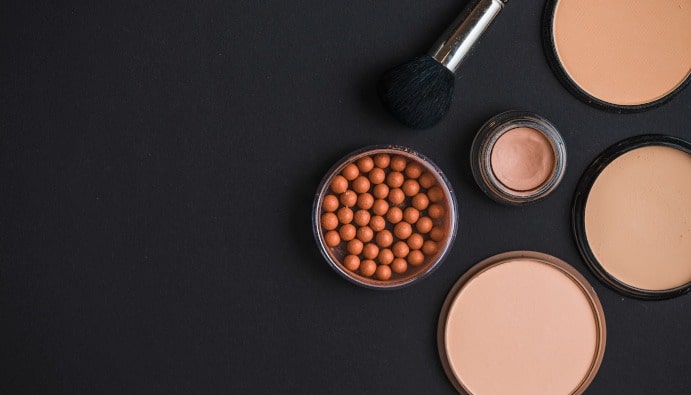
Blush is one of the most colorful and eye-catching products in a makeup routine. This product, which adds vibrancy to the face with just a light touch on the cheeks, is also one of the cosmetics with the highest pigment density. This characteristic gives blush a unique position in cruelty-free certification. In this article, we discuss what “cruelty-free” certification means specifically for blush, the supply chain of color pigments, and the current state of animal-free testing methods.
The Concept of “Cruelty-Free” and the Scope of the Blush Category
The Supply Chain of Color PigmentsIron oxides and mineral pigments
Carmine and Insect-Derived Pigments
Carmine Alternatives
The History of Animal Testing in the Blush Category
Use on the face and skin sensitivity
Animal-Free Testing Methods and Color Cosmetics
What to Look for When Choosing Blush
The Contribution of Certification to the Blush Category
CLICK HERE TO GET A PRICE OFFER.