























What Is a Cruelty-Free Certification? Its Scope, Requirements, and Reliability
Cruelty Free Certification
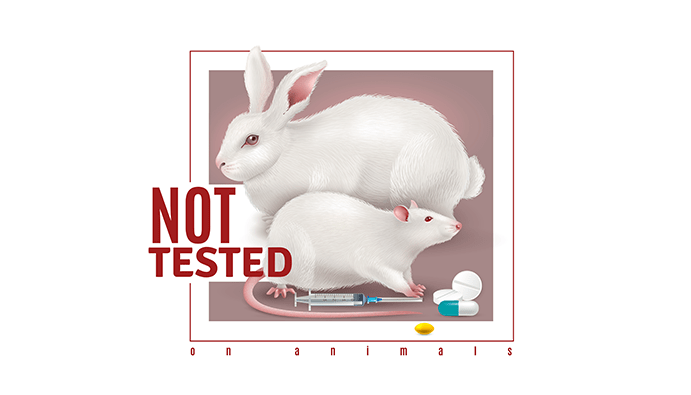
A Cruelty-Free Certification is an independent endorsement that verifies no animals were intentionally used for testing at any stage of a product’s development, production, or testing processes. This certification is not based on the manufacturer’s own declaration; it is issued following an audit and evaluation by an independent certification body. The certification covers not only the final product but also every ingredient in the formulation, the auxiliary materials used in the production process, and every link in the supply chain. For a product to receive Cruelty-Free Certification, no animal testing must have been conducted throughout the entire supply chain. The Cruelty-Free Certification covers a wide range of products. This range extends from cosmetics and personal care products to household cleaning products, and from pet care products to furniture care products. Skin care products, bath products, hair care products, body fragrances and perfumes, makeup, and personal hygiene products for the eyes, teeth, and ears are included in this scope. Since these products come into direct contact with the skin, safety assessments are of critical importance. Candles and home fragrances, furniture polishes, limescale removers, and drain openers fall under this category. These products may be subject to a different legal framework than cosmetic products, and this distinction is taken into account during the certification process. Cleaning wipes, disinfectants, and products for cleaning dishes, laundry, floors, surfaces, carpets, windows, and ovens are evaluated under this scope. These products may contain highly concentrated active ingredients and are subject to chemical safety regulations. Pet care products are also evaluated under the Cruelty-Free Certification. The certification of these products demonstrates consistency in the commitment to animal welfare. To obtain Cruelty-Free Certification, the product groups listed above must meet specific requirements. These requirements cover the entire production chain, from raw materials to the final product. The first certification requirement stipulates that product raw materials must not have been tested on animals under any circumstances. This requirement applies not only to the final product but also ensures that every ingredient, excipient, and additive in the formulation has no history of animal testing. For a product to be certified, not even a single raw material in the formulation may have a history of animal testing. The second certification requirement stipulates that the final product must absolutely not have been tested on animals. This requirement ensures that animals were not used at any stage of the product’s development, quality control, or safety assessment. Final product testing has historically been a common practice in the cosmetics and cleaning products industries; the Cruelty-Free Certification completely excludes this practice. The third certification requirement mandates that raw material suppliers and the manufacturer commit to not testing their products on animals. This commitment includes a written and binding declaration. The supplier’s commitment covers every link in the supply chain and is evaluated alongside the manufacturer’s own declaration. To properly understand the scope of the Cruelty-Free Certification, it is essential to clearly distinguish what this certification guarantees and what it does not guarantee. For manufacturers seeking Cruelty-Free Certification, the process consists of application, evaluation, and certification stages. During the application stage, the manufacturer submits the product formulation, list of raw materials, and supply chain information to the certification body. During the evaluation stage, declarations regarding the testing history of raw materials, supplier commitments, and production process information are reviewed. The certification is issued once it has been verified that the certification requirements have been met. The certified manufacturer is obligated to maintain compliance with the certification requirements throughout the certificate’s validity period. In the event of a formulation change, a change in suppliers, or a change in the production process, this must be reported to the certification body. The reliability of the Cruelty-Free Certification largely depends on the independence of the certification body. An audit conducted by an independent organization provides a much stronger assurance than the manufacturer’s own declaration. Factors that enhance the reliability of the certification process include written and binding commitments, supply chain audits, document verification, and the obligation for regular renewal. These elements ensure that the certification is more than just a label—it is a verifiable commitment. From the consumer’s perspective, the Cruelty-Free Certification means that the production process behind the product is verifiable. A certified product offers consumers more than just a logo; it provides a commitment to a ban on animal testing that extends from the raw material supplier to the final product. This commitment allows consumers to make choices aligned with their own values. Furthermore, preferring certified products encourages brands to adjust their production policies accordingly. When demand changes, supply changes as well; this means that individual choices can create a collective impact. The Cruelty-Free Certification is a comprehensive document that independently verifies that a product has not been tested on animals. The certification covers a wide range of products, from cosmetics and personal care items to cleaning products, pet care products, and home fragrances. The certification requirements are structured around three fundamental principles: a ban on testing at the raw material level, a ban on testing at the finished product level, and a supplier-manufacturer commitment. The certification guarantees that the product has not been tested on animals; however, it does not provide information about animal-derived ingredients, naturalness, or skin safety. The reliability of the certification depends on the independence of the certification body and the comprehensiveness of the audit process. For consumers, the Cruelty-Free Certification serves as a verifiable indicator of the ethical commitment behind the product.
The Cruelty-Free Certification is a document that independently verifies that a product has not been tested on animals. However, this certification is not merely a logo or label; it is backed by a comprehensive audit process, documentation requirements, and a commitment to ongoing compliance. In this article, we discuss what the Cruelty-Free Certification is, which products it covers, what criteria it requires, and what it guarantees to consumers.
What is a Cruelty-Free Certification?
Which product categories does the certification cover?Cosmetics and personal care products
Home and Lifestyle Products
Cleaning products
Pet care products
Requirements for certificationBasic Certification Requirements
Prohibition on Testing at the Raw Material Level
Testing ban at the finished product level
Supplier and Manufacturer Commitment
What Does the Certification Guarantee, and What Does It Not Guarantee?How does the certification process work?
The Reliability and Independence of the Certification
What the certification means for consumers
CLICK HERE TO GET A PRICE OFFER.