























Wipes and Animal Testing: Cruelty-Free Certification
Cleaning Wipes Cruelty Free Certification
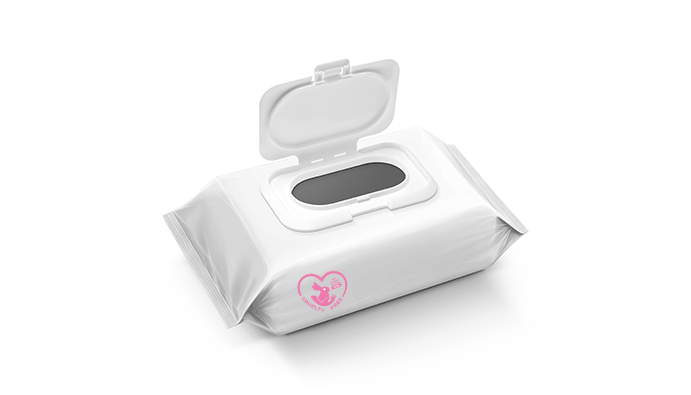
Animal testing refers to experiments conducted on animals to evaluate the safety of cosmetic products and their ingredients. When it comes to cleaning wipes, these tests are related to the dual structure for several category-specific reasons. First and foremost, the wipes’ fabric composition is also subject to regulatory scrutiny. Nonwoven fabrics are produced from materials such as polypropylene, polyester, viscose, or bio-based cellulose. The binders, softeners, and coatings used in the production processes of these materials may be of animal origin or may have a history of animal testing. The second reason is that the liquid formulation impregnated into the wipe constitutes a separate area of scrutiny. The impregnation liquid contains water, surfactants, humectants, preservatives, and fragrance components. Each of these components is evaluated separately in terms of its supply chain and testing history. For products with a dual-layer structure, such as cleaning wipes, a “cruelty-free” certification requires that neither the fabric material nor the impregnation liquid have a history of animal testing. This constitutes one of the most comprehensive documentation processes specific to this category. The fabric structure of cleaning wipes is typically made from nonwoven surface materials. These materials are produced by bonding fibers together through chemical, mechanical, or thermal processes. Since the fabric structure comes into contact with the skin, the material source and production process must be evaluated separately. The most commonly used nonwoven fabric materials are polypropylene and polyester. These synthetic polymers are produced from petroleum-derived raw materials and contain no animal-derived ingredients. However, the testing history of the catalysts and auxiliary chemicals used in the production processes of these polymers must be separately documented for cruelty-free certification. Bio-based cellulose-based fabrics, such as viscose and lyocell, are derived from wood pulp. These materials are plant-based and contain no animal-derived ingredients. However, the testing history of the solvents and auxiliary chemicals used during cellulose processing is evaluated separately. In nonwoven fabric production, binders are used to hold the fibers together; softeners are used to impart softness to the fabric; and coatings are used to impart specific properties to the fabric. Some of these auxiliary substances may be of animal origin. In particular, some softeners may contain lanolin derivatives or animal-derived fatty acids. The liquid formulation impregnated into the cleaning wipe is the primary ingredient that enables the wipe to function. This liquid contains water, surfactants, humectants, preservatives, and fragrance components. Each component group is evaluated separately in the cruelty-free certification process. The surfactants in the impregnation liquid dissolve dirt and oil on the skin’s surface, enabling the wipe’s cleansing function. Anionic, nonionic, and amphoteric surfactants fall into this group. These substances constitute one of the most extensively tested ingredient groups in the cosmetics industry and interact directly with the skin barrier. The moisturizers in the impregnation solution help maintain the skin’s moisture balance and reduce the wipe’s drying effect. Glycerin, panthenol, aloe vera, and hyaluronic acid are included in this group. Glycerin can be derived from both plant and animal sources; hyaluronic acid, on the other hand, can be derived from both microbial fermentation and animal tissue. The source of these ingredients is additionally verified in the cruelty-free certification process. Since cleansing wipes have a high water content and are single-use, they are susceptible to microbial spoilage. For this reason, they contain preservative systems. Phenoxyethanol, sodium benzoate, potassium sorbate, and isothiazolinone derivatives fall into this category. These preservatives themselves are not of animal origin; however, it must be documented that no animal testing was conducted during their production processes. Some cleansing wipes contain fragrance ingredients to leave a pleasant scent. Since these ingredients come into direct contact with the skin, they are evaluated separately for their potential to cause allergic reactions. Fragrance ingredients constitute one of the groups of ingredients with the highest potential for allergic reactions in the cosmetics industry. Cleaning wipes come into direct, friction-based contact with the skin. For this reason, their potential for skin irritation and allergic reactions has historically been evaluated through extensive animal testing. The methods used included applying the wipe or the impregnating liquid to the shaved skin of laboratory animals, followed by monitoring the skin reaction for several days. To assess the friction effect, repeated rubbing with the wipe was applied to the animal’s skin. These tests were viewed as both severely painful and scientifically questionable practices. A significant portion of cleansing wipes is also used to remove eye makeup. These products are applied to an extremely sensitive area, such as the eye area, and carry a risk of eye contact. For this reason, eye irritation tests hold a special place in the cleansing wipe category. In the past, these tests were conducted by holding the eyelids of laboratory animals open and applying the soaking solution directly to the eye. The animals’ eyes were observed for days to assess the level of irritation. These tests have been among the most criticized practices in the cosmetics industry. Cleaning wipes are stored in a moist, sealed package. This environment may be conducive to the growth of microorganisms. For this reason, the microbiological safety of the wipes is also evaluated. In the past, some microbiological safety tests were also conducted on animal models. However, the method currently accepted for “cruelty-free” certification is microbiological culture testing performed in a laboratory setting. These tests do not require the use of animals and are conducted in accordance with internationally recognized protocols. The single-use nature of cleaning wipes makes microbiological safety testing a category-specific issue. Maintaining the microbiological stability of the wipes after the package is opened is another parameter that must be evaluated. The foundation of “cruelty-free” certification is the principle that the manufacturer has not conducted any animal testing in the past five years. This principle covers not only the final product but also every ingredient in the formulation and the excipients used in the production process. When it comes to cleaning wipes, this principle takes on additional importance due to the category’s dual nature. The testing history of both the fabric material and the impregnating liquid must be documented separately. Additionally, binders, softeners, and coatings used in the wipe’s production process are also subject to scrutiny. In products that come into direct contact with the skin, such as cleansing wipes, animal-free testing methods have become significantly more widespread in recent years. These methods eliminate the use of animals while yielding results that more closely mimic human biology. Artificial skin models are three-dimensional tissue models produced from human skin cells. Tests conducted on these models allow for the evaluation of the potential irritating effects of the soaking solution on the skin. Artificial cornea models are used to assess irritation that may occur after eye makeup remover wipes come into contact with the eye. Friction models examine the mechanical effects of the wipe without using animals. Microbiological culture tests evaluate the microbiological safety of the wipe. Computer-aided modeling can predict the potential effects of a compound based on its molecular structure. Human volunteer panels, on the other hand, are used to evaluate the product’s performance under real-world conditions, its cleansing efficacy, and its skin compatibility. There are a few practical tips for those who want to choose a cruelty-free cleansing wipe. First, check the certification logo on the product and verify whether it belongs to an independent certification body. There is a difference in reliability between a symbol designed by the brand itself and an independent certification. Reading the ingredient list is also important. Ingredients such as lanolin, beeswax, silk protein, chitosan, and lysozyme may be found in cleansing wipes. The use of these ingredients is particularly common in products labeled as “moisturizing” or “skin-care effective.” Additionally, the sources of moisturizers like glycerin and hyaluronic acid can be either plant-based or animal-derived. Softeners used in the fabric composition may also be of animal origin. For this reason, the certification logo and the ingredient list are two key sources of information that should be evaluated together. A “cruelty-free” cleaning wipe certification is more than just a label for brands; it is a tool that encourages more transparent management of production processes. In a product that combines fabric material, wet wipe solution ingredients, preservatives, and fragrance components, documenting the source and testing history of each ingredient requires a comprehensive supply chain analysis. This certification also offers consumers the opportunity to make an informed choice. Rather than focusing solely on a cleaning wipe’s cleaning power and scent, it becomes possible to evaluate the ethical commitment behind the product. This shifts product selection to a more holistic foundation for both the brand and the consumer. Due to their structure—comprising both fabric and liquid—cleaning wipes constitute a unique category when it comes to animal testing. Every stage—from the testing history of nonwoven fabric materials to the evaluation of the components in the impregnating liquid, from skin irritation tests to use around the eyes, and from microbiological safety assessments to the source of fabric softeners—is specifically addressed in cruelty-free certification. The single-use nature of the product, microbiological stability, and shelf life after opening the package stand out as category-specific issues. With the advancement of animal-free testing methods and growing consumer awareness, this category is moving toward a more transparent foundation for both brands and consumers. Every use of a wipe is, in fact, a choice; the production process behind that choice is just as important as the cleaning result itself.
Cleaning wipes constitute a structurally distinct product group within the cosmetics and personal care categories. This is because a wipe is not made from a single material but consists of two separate components: a nonwoven fabric structure and a liquid formulation impregnated into that fabric. This dual structure creates two separate areas of regulation, both in terms of material sourcing and chemical content. In this article, we examine the history of animal testing specifically for cleansing wipes, the category-specific risk areas, and the current status of animal-free testing methods.
Why are animal tests related to the dual structure of cleaning wipes?
Testing History of Nonwoven Fabric MaterialsPolypropylene and polyester-based fabrics
Viscose and bio-based cellulose fabrics
Auxiliary substances used in fabric production
Test history of the liquid’s ingredientsSurfactants
Moisturizers
Preservatives
Fragrance ingredients and other additives
The history of skin irritation testing on animals
Use Around the Eyes and Animal Testing
Microbiological Safety and Animal Testing
The Significance of Avoiding Animal Testing
Animal-Free Testing Methods and Cleaning Wipes
What to Look for When Choosing a Cleansing Wipe
The contribution of certification to the cleansing wipe category
CLICK HERE TO GET A PRICE OFFER.