























Cruelty-Free Concealer Certification: Cosmetics Not Tested on Animals
Cruelty Free Concealer Certificate
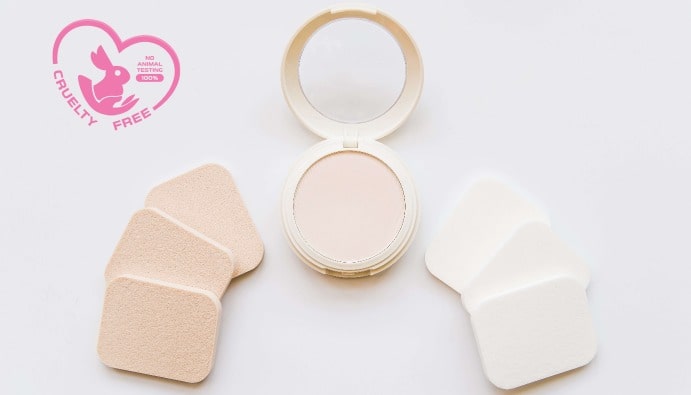
As a cosmetics manufacturer, you want to obtain a cruelty-free concealer certification. Displaying that reassuring certification logo on your product’s packaging will elevate your brand to a privileged position in the eyes of conscious consumers. So how exactly does this certification process work? What steps do you need to go through? As an independent certification body, we’ve compiled all the details for you—from the behind-the-scenes process of cruelty-free concealer certification to the audit criteria and the entire application process.
The cruelty-free concealer certification is an independent endorsement that verifies no animal testing was conducted at any stage of the production chain—from the raw materials used in the concealer’s formulation to the final product. This certification is not based solely on the manufacturer’s self-declaration; it is supported by accredited laboratory analyses, supply chain audits, and on-site facility inspections. When it comes to a cosmetic product like concealer that comes into direct contact with the skin, the certification process is conducted with particular rigor. This is because concealer formulations contain dozens of different ingredients—such as pigments, binders, moisturizers, thickeners, and preservatives—and each ingredient must be individually verified.
Cruelty-Free Certification Criteria for Concealer Products
The basic criteria a concealer product must meet to obtain cruelty-free certification are established by certification bodies in accordance with international standards. These criteria cover not only the final product but also all stages of the product’s development process. Below, you can find the main criteria evaluated during the certification audit:
| Evaluation Criterion | Scope | Audit Method | Consequences in Case of Non-Compliance |
|---|---|---|---|
| Final Product Testing | The finished cosmetic product must not have been tested on animals under any circumstances. | Manufacturer’s declaration, review of laboratory records, audit of test protocols | Immediate rejection. The application process is terminated. |
| Raw Material Testing | Pigments, binders, preservatives, and all other ingredients used in the formulation must not have been tested on animals. | Supplier declaration forms, raw material specification documents, supplier site audit | The relevant raw material must be replaced or the supplier must be re-evaluated. |
| Third-Party Testing | The manufacturer must not have sent its products or ingredients to third-party laboratories that conduct animal testing. | Review of contract records, laboratory work orders, and invoices | This is considered a process violation. A corrective action plan is required. |
| Legal Mandate Exception | If the manufacturer sells in markets where animal testing is legally required, it cannot obtain cruelty-free certification. | Review of sales and distribution records; verification of export documents | Immediate rejection. Certification cannot be granted without a commitment to withdraw from the relevant markets. |
| Supply Chain Traceability | The source of each raw material must be documented, and its cruelty-free status must be verifiable. | Supply chain map, raw material lot number tracking system, backward traceability test | Certification is suspended until missing documentation is completed. |
Among these criteria, the most critical is supply chain traceability. For products with complex formulations, such as foundation, documenting the “cruelty-free” status of each pigment and excipient is the most time-consuming stage of the certification process. For example, intermediate chemicals are used in the production of some commonly used pigments, and the suppliers of these intermediate chemicals are also subject to audit.
How Does the Certification Process Work Step by Step?
The cruelty-free certification process for a concealer product consists of specific stages, from the application to the delivery of the certificate. Each stage is designed to audit a different aspect of the product and the production process.
- Preliminary Application and Scope Determination: The manufacturer submits a list of the concealer products it wishes to have certified, along with basic formulation information, to the certification body. The body conducts a preliminary assessment to determine whether the product meets the criteria for cruelty-free certification.
- Submission of Documentation and Declaration Forms: The manufacturer prepares and submits to the body the supplier cruelty-free declaration forms, raw material specification documents, and safety data sheets for each raw material.
- Supply Chain Audit: The certification body audits the suppliers of the declared raw materials using a sampling method. This audit includes verifying that the supplier does not conduct animal testing in its own production process.
- On-Site Inspection of the Production Facility: Auditors visit the facility where the cosmetic is manufactured. Production lines, storage conditions, laboratory records, and quality control processes are examined on-site.
- Evaluation of Test Methods and Alternative Approaches: The test methods used by the manufacturer to ensure product safety are examined. The validity of alternative methods, such as in vitro tests, computer modeling, and human volunteer panel tests, is assessed.
- Final Evaluation and Certification Decision: Once all audit stages are completed, the certification committee convenes and makes the final decision. Products found to be compliant are issued a cruelty-free certificate.
Acceptable Alternative Testing Methods
In the cruelty-free certification process, how the manufacturer ensures product safety without animal testing is a critical evaluation point. Certification bodies consider the following alternative testing methods to be valid and acceptable:
In Vitro Cell Culture Tests
These are tests conducted using human skin cells or artificial skin models cultivated in a laboratory setting. The irritation potential and toxicity of products that come into contact with the skin, such as cosmetics, can be assessed without the use of animals. There are numerous in vitro test protocols approved by the OECD.
Computer Modeling (In Silico)
By using software that analyzes the structure-activity relationships of chemical components, a substance’s potential toxicity or allergenicity can be predicted. This method is particularly effective for the preliminary screening of newly developed formulations.
Volunteer Human Panel Tests
These are clinical tests conducted with volunteer human participants under protocols approved by an ethics committee to verify the product’s final safety. Patch tests and repeated contact tests are the gold standard for evaluating the skin compatibility of products such as cosmetics.
Analysis of Existing Data
Safety assessments can be performed without the need for new testing by evaluating the long-term safety data of raw materials used in the formulation, reviewing the scientific literature, and analyzing previous test results.
Post-Certification Obligations and Periodic Audits
Once a cruelty-free concealer certification is obtained, it is not valid indefinitely. Certification bodies establish ongoing obligations that the manufacturer must fulfill to maintain the certificate’s validity:
- Annual Re-inspection: The certificate is generally valid for one year. An annual re-inspection is conducted to confirm that the product maintains its cruelty-free status.
- Notification of Formulation Changes: Whenever a change is made to the concealer formulation, this change must be reported to the certification body, and the cruelty-free status of the new ingredients must be verified.
- Supplier Change Notification: When the supplier of an existing raw material changes, the new supplier’s cruelty-free declaration form and required documentation must be submitted to the certification body.
- Authorization for Unannounced Audits: Certification bodies reserve the right to conduct unannounced audits throughout the certificate’s validity period. During these audits, production records, laboratory logs, and supplier communications may be reviewed.
- Market Expansion Notification: If a manufacturer plans to begin selling its products in a new market where animal testing is mandatory, it must notify the certification body in advance. Failure to do so may result in the revocation of the certificate.
Obtaining a cruelty-free concealer certification is not merely a marketing advantage but also a comprehensive process that officially validates your brand’s ethical stance. Every stage of this process is designed to demonstrate that there is a robust audit mechanism backing the promise made to the consumer. Transparency and traceability throughout this chain—from raw material suppliers to the production line, and from laboratory testing to marketing strategy—are the cornerstones of certification. As a certification body, we aim to conduct this process to the highest standards, providing a reliable point of reference for both manufacturers and consumers.
For the latest news and updates about our services, follow us on LinkedIn.To stay updated on our latest blog posts, follow our Instagram account.