























Cruelty-Free Eyeliner Certification: Eye Care Products
Cruelty Free Eyeliner Certification
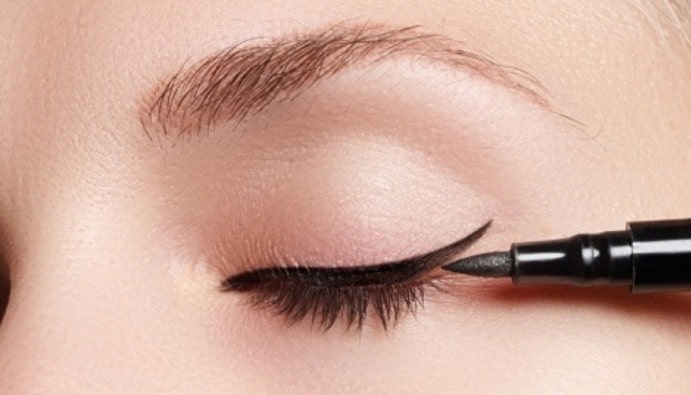
Eyeliner is perhaps the product in the cosmetics world that requires the most courage. Since this product is applied with millimeter-level precision to an extremely sensitive area like the eye, its safety is of the utmost importance—not only for consumers but also for certification bodies. So, what criteria must a manufacturer meet to obtain a cruelty-free eyeliner certification? What additional inspections does the certification process for eye care products involve compared to other cosmetic products?
A “cruelty-free eyeliner” certification is an independent endorsement confirming that no animal testing was conducted at any stage of the formulation, production, or testing processes for an eyeliner pencil or liquid eyeliner product. Because eyeliner is a product that comes into direct contact with the eye’s mucous membrane, it is one of the most strictly regulated categories in the cosmetic certification hierarchy. Eye area products are classified as a special-risk category under the European Union Cosmetics Regulation and are therefore subject to additional ophthalmological safety assessments during the cruelty-free certification process. The certification process focuses not only on ensuring the product has not been tested on animals but also on verifying that the alternative safety tests used comply with international standards.
Why Are Certification Criteria for Eyeliner More Stringent?
Eyeliner and other eye-area cosmetics undergo a more comprehensive review during the cruelty-free certification process compared to standard skincare products. The primary reason for this is the anatomical structure of the eye and the potential for ocular toxicity to cause irreversible damage. The table below illustrates the differences between cruelty-free certification criteria for standard facial cosmetics and those specifically for eyeliner:
| Evaluation Criterion | Standard Cosmetic Products | Eyeliner and Eye Area Products |
|---|---|---|
| Ocular Irritation Test | Evaluated only if there is a risk of eye contact. | Mandatory. Must be documented using in vitro ocular irritation tests (such as OECD 492). |
| Microbiological Safety | A standard preservative efficacy test (challenge test) is sufficient. | Additionally, specific microbial screening is performed for eye-area pathogens. A zero-tolerance policy applies to ocular pathogens such as Pseudomonas aeruginosa. |
| Particle Size Analysis | Generally not evaluated. | Required. Particle size and hardness that could damage the cornea are analyzed. |
| Pigment Source Audit | A supplier declaration may be sufficient. | An in-depth supply chain audit is conducted for each pigment. Certificates of purity for pigments such as carbon black are reviewed. |
| Stability and Shelf Life | Accelerated stability testing is acceptable. | Real-time stability testing is preferred. It must be demonstrated that the product maintains ocular safety throughout its shelf life. |
These additional criteria may make the cruelty-free certification process for products like eyeliner longer and more costly. However, this rigor is the only way to strike the delicate balance between consumer safety and ethical production. Certification bodies never compromise on ocular safety assessments under any circumstances.
High-Risk and Safe Ingredient Groups in Eyeliner Formulations
Eyeliner formulations can come in various formats, such as liquid, gel, pencil, or felt-tip. Each format has its own unique ingredient profile and, consequently, different risk levels in terms of cruelty-free certification. Below, you will find two key ingredient groups that receive particular attention during certification audits:
High-Risk Ingredients
Carbon black pigments (especially those posing a risk of PAH contamination), acrylate copolymers, formaldehyde-releasing preservatives, parabens, and certain volatile silicones. Suppliers of these ingredients are subject to particularly strict scrutiny, and their cruelty-free status must be separately documented for each batch.
Low-Risk and Preferred Ingredients
Iron oxide pigments, vegetable glycerin, shea butter, jojoba oil, vitamin E, aloe vera extract, and plant-based emulsifiers. These ingredients typically have well-established supply chains, and their “cruelty-free” status is easier to verify.
Stages of the Certification Process
The application for cruelty-free eyeliner certification is conducted through a systematic process consisting of the following stages. Each stage is designed to assess a different aspect of the product’s “cruelty-free” status:
- Preliminary Application and Product Classification: The manufacturer submits the eyeliner product’s full formulation, production method, and target markets to the certification body. The body classifies the product as an eye-area cosmetic and establishes additional audit criteria.
- Formulation and Ingredient Audit: The cruelty-free declaration form, safety data sheet, and technical specification document for each raw material are reviewed. Additional purity certificates are required for pigments and polymers.
- In-Depth Supply Chain Review: Suppliers of high-risk ingredients—such as carbon black, acrylate copolymers, and preservatives—may be audited on-site, or detailed documentation may be requested.
- Production Facility and Hygiene Inspection: The level of protection against microbiological contamination on the eyeliner production line, cleanroom standards, and staff hygiene protocols are inspected on-site.
- Validation of Alternative Test Methods: The compliance of the in vitro tests used by the manufacturer to demonstrate ocular safety with OECD standards is evaluated. Test results are independently verified.
- Final Evaluation and Certification: Once all audit stages are successfully completed, the certification committee approves the cruelty-free eyeliner certification. The certificate is valid for one year.
Acceptable Ocular Safety Test Methods
Demonstrating ocular safety in products that come into direct contact with the eye, such as eyeliner, is an essential requirement for cruelty-free certification. Certification bodies accept the following alternative methods as valid substitutes for animal testing:
Artificial Cornea Models
These are ocular irritation tests conducted using three-dimensional tissue models derived from human corneal cells. They are conducted in accordance with the OECD 492 test guideline. The potential irritating effect of the eyeliner formulation on the cornea is assessed by measuring cell viability.
Chicken Egg Chorioallantoic Membrane Test
This test, which uses the chorioallantoic membrane of a fertilized chicken egg, is widely accepted for assessing ocular irritation potential. Since it is performed before the embryo’s nervous system develops, it is considered cruelty-free.
Volunteer Human Panel Tests
These are controlled clinical tests conducted with volunteer participants under protocols approved by an ethics committee. The ocular tolerance of the eyeliner product is evaluated under real-world usage conditions. These tests must be conducted under the supervision of an ophthalmologist.
In Silico Toxicity Modeling
Using computer-aided structure-activity relationship (SAR) analyses, the ocular toxicity potential of each ingredient in the formulation is predicted. This method is particularly valuable for the preliminary screening of newly developed ingredients.
Ongoing Compliance Obligations After Certification
Once a “cruelty-free” eyeliner certification is obtained, the manufacturer must fulfill certain ongoing obligations to maintain the certification’s validity. These obligations aim to ensure that the product maintains its cruelty-free status throughout its time on the market:
- Annual Recertification: The eyeliner certification is valid for one year. At the end of each year, production records, supplier declarations, and test results are reviewed.
- Mandatory Notification of Formulation Changes: Even the slightest change to the eyeliner formulation must be reported to the certification body in advance. The certification cannot remain valid until the cruelty-free status of new ingredients is verified.
- Notification of Production Facility Change: If production is moved to a different facility, the certification cannot be maintained until the new facility’s hygiene and production standards have been inspected.
- Market Expansion Restrictions: A certified eyeliner product cannot be sold in a market where animal testing is legally required. If this rule is violated, the certification will be revoked immediately.
- Batch-by-Batch Traceability: Raw material batch numbers and cruelty-free declarations for each production batch must be recorded and kept available for inspection.
Cruelty-free eyeliner certification represents the highest standards in the world of cosmetic certification. The inherent risks associated with eye area products make the certification process more comprehensive and meticulous. However, this meticulousness is the only way to simultaneously guarantee both consumer safety and ethical production principles. As a certification body, our core mission is to guide eyeliner manufacturers through every stage of the process and build the trust behind the “cruelty-free” label. Ensuring that formulation and supply chain preparations are complete prior to application is the most critical step for the certification process to proceed quickly and smoothly.
For the latest news and updates about our services, follow us on LinkedIn.To stay updated on our latest blog posts, follow our Instagram account.