























Cruelty-Free Eyeshadow Certification: Risk Classification
Cruelty-Free Eyeshadow
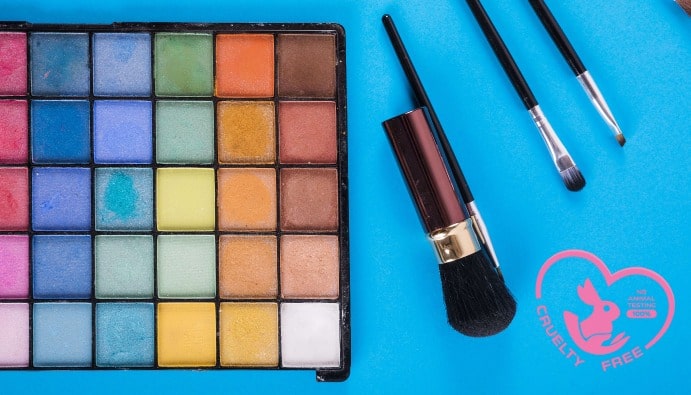
Cruelty-free eyeshadow certification is an independent endorsement that verifies that no ingredient used in an eyeshadow product’s formulation is of animal origin and that no animal testing was conducted at any stage of the production process. Since this certification is evaluated within the eye care products category, it is subject to a stricter regulatory framework due to risk factors specific to the eye area. Eyeshadow formulations contain a much higher proportion of pigments compared to other cosmetic products. These pigments can be mineral-based (mica, iron oxide, titanium dioxide), organic synthetic, or insect-derived (carmine). Each type of pigment requires a different regulatory approach in cruelty-free certification. Furthermore, since eyeshadow is applied to a sensitive area such as the eyelid, product safety assessments must be conducted without animal testing. Pigments make up the largest portion by weight of an eyeshadow formulation. In addition to their color-giving properties, these pigments also affect the product’s texture, adhesion, and longevity. In cruelty-free certification, the source, supply chain, and testing history of pigments are evaluated separately. Mineral-based pigments such as mica, iron oxide, titanium dioxide, zinc oxide, and bismuth oxychloride are commonly used in eyeshadow formulations. Since these pigments are inorganic in nature, they are not of animal origin; however, they require careful scrutiny regarding the supply chain. Mica is a naturally mined mineral that undergoes mining processes. It must be documented that the auxiliary materials used in these processes are not of animal origin. Pigments such as titanium dioxide and iron oxide, on the other hand, are produced through chemical synthesis and must be verified by a supplier’s declaration that no animal testing was conducted during the production process. Carmine (E120) and carminic acid are red-pink pigments derived from the cochineal insect. These pigments are widely used in eyeshadow palettes, particularly in shades of red, pink, purple, and burgundy. Since carmine is of animal origin, it is absolutely not accepted in cruelty-free certification. Detecting the use of carmine during the certification process is not limited to reviewing the ingredient list alone. In some cases, carmine may be listed under the code “CI 75470” or under different names such as “carmine” or “cochineal extract.” For this reason, pigment declarations must also be verified using Color Index (CI) codes. Synthetic organic pigments, known as FD&C and D&C, are preferred in eyeshadow formulations because they offer vivid and bright colors. These pigments are produced through chemical synthesis in a laboratory setting and contain no animal-derived ingredients. However, the testing history of the intermediate chemicals and solvents used in the production process must be documented. In addition to pigments, eyeshadow formulations contain binders, fillers, glides, preservatives, and moisturizers. These auxiliary ingredients constitute an area of scrutiny in cruelty-free certification that requires as much attention as the pigments themselves. Binders that help eyeshadow adhere to and spread on the skin include magnesium stearate, zinc stearate, and talc. These ingredients are mineral-based; however, stearic acid of animal origin may be used in some formulations. Whether the stearic acid is plant-based or animal-based must be clearly documented via a supplier’s declaration. Although the need for preservatives is low in anhydrous formulations such as eyeshadow, phenoxyethanol, methylparaben, or propylparaben may be used in some products. It must be documented that these preservatives were not tested on animals during the manufacturing process. Parabens themselves are not of animal origin, but a supplier declaration is still required. Some oils and oil derivatives used in eyeshadow formulations may be of animal origin. Lanolin, beeswax, cholesterol, and animal-derived glycerin fall under this category. It must be documented that plant-derived alternatives (shea butter, jojoba oil, plant-derived glycerin) are used in place of these ingredients. Talc is a mineral filler commonly used in eyeshadow formulations. Talc itself is not of animal origin, but the testing history of the auxiliary substances used in mining and processing must be documented. Additionally, some talc suppliers may have had their products analyzed in laboratories that conduct animal testing. In the “cruelty-free” certification of eyeshadow, the production process is evaluated not only based on the ingredients used but also on production methods and facility conditions. The manufacturer must not have conducted any animal testing in the past five years. This requirement applies not only to the final product but also to every ingredient in the formulation and any auxiliary materials used in the production process. All contracts, work orders, and invoices between the manufacturer and testing laboratories are reviewed. If both carmine-containing and cruelty-free eyeshadows are produced at the same manufacturing facility, production lines must be physically separated, or cleaning procedures must be verified. Because pigment powders remain airborne for a long time, the risk of cross-contamination is high in shared production areas. Eyeshadow manufacturers typically source pigments not directly but through intermediary suppliers. In this case, the supply chain must be documented all the way back to the pigment’s original manufacturer. Particularly for pigments such as mica and carmine, traceability is required all the way back to the mining or insect farming stage. On eyeshadow labels, pigments are identified by their CI (Color Index) codes. During the certification process, the source corresponding to each CI code is verified. The code CI 75470 refers to carmine, CI 77891 to titanium dioxide, and CI 77491 to iron oxide. Verification based on these codes eliminates ambiguities in the ingredient list. Cruelty-free eyeshadow certification consists of sequential stages, each of which is evaluated independently. The process begins with the manufacturer’s application and concludes with the issuance of the certification decision. During the application stage, the manufacturer submits its product portfolio, a list of all pigments and auxiliary ingredients used, CI codes, and a supply chain map to the certification body. In this stage, the product category and potential risk areas are identified. In the second stage, supplier declarations are collected and verified for each ingredient. Additionally, a Color Index verification is performed for pigments. In the third stage, the collected documents are reviewed for completeness and consistency. If any missing or conflicting declarations are identified, the manufacturer is requested to provide supplementary information. The fourth stage involves an on-site audit of the production facility. During this audit, production lines, pigment storage areas, ventilation systems, and quality control processes are inspected. In the fifth and final stage, all findings are evaluated, and a final decision is made. The “cruelty-free” eyeshadow certificate is valid for one year. The manufacturer’s compliance obligations continue throughout the certificate’s validity period. During the annual renewal process, the manufacturer is required to submit updated ingredient declarations, production records for the past year, and, if applicable, documentation regarding formulation changes. If a new eyeshadow palette is added to the product portfolio, that palette cannot be included in the scope of the certification until its pigment declarations and CI codes have been approved. If there is a change in an existing pigment supplier, the new supplier’s declaration must be submitted to the certification body. The certified manufacturer is expected to adhere to the ban on animal testing and the principle of not using animal-derived ingredients in all production activities covered by the certification. Cruelty-free eyeshadow certification is one of the areas of cosmetic certification that requires the most comprehensive supply chain verification due to pigment density and color variety. The separate evaluation of mineral, synthetic, and insect-derived pigments, the verification of color index codes, and the documentation of the origin of auxiliary ingredients are fundamental components of the process. The certification decision is based not only on current production conditions but also on a comprehensive review of the pigment supply chain and production methods. This framework ensures that the “cruelty-free” claim presented to consumers is backed by verifiable, traceable, and sustainable assurance.
Eyeshadow is one of the most complex categories of cosmetic products in terms of color variety and pigment density. A single palette is produced by combining dozens of different pigments, fillers, binders, and preservatives. This multi-component structure both expands and complicates supply chain verification for cruelty-free certification. In this article, we examine the risk classification specific to eyeshadow products and the inspection requirements related to pigments at a technical level.
Scope of Certification and Category-Specific Considerations
Pigment Categories and Certification RequirementsMineral-Based Pigments
Insect-Derived Pigments
Synthetic Organic Pigments
Excipients and Risk ClassificationBinders and Glides
Preservatives
Moisturizers and Oils
Talc and Mineral Fillers
Evaluation Criteria Related to the Production ProcessContinuity of the Animal Testing Ban
Cross-Contamination Control
Verification of Pigment Suppliers
Verification of Color Index Codes
Structure of the Certification Process
Certificate Validity and Continuity Requirements