























Cruelty-Free Face Mask Certification: Types
Cruelty Free Face Mask Certificate
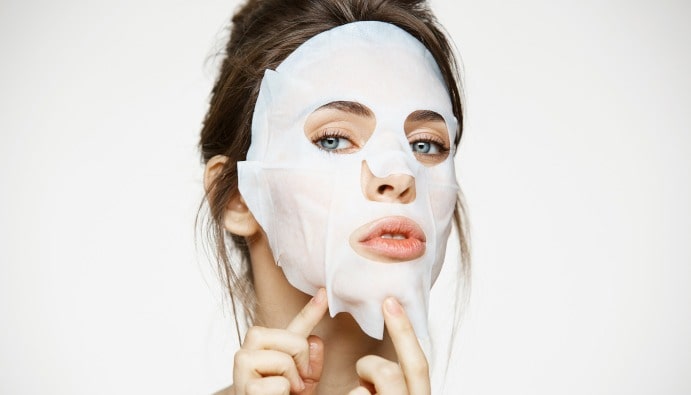
“Cruelty-free” means that animals are not intentionally used for testing at any stage of a product’s development and production process. This definition covers not only the final product but also every ingredient in the formulation and every link in the supply chain. When it comes to face masks, this scope varies depending on the product form. Paper masks are evaluated separately in terms of packaging and the infused liquid due to their single-use nature. Clay masks raise concerns regarding the mining processes of their mineral-based ingredients. Sleep masks have a distinct safety profile because they remain on the skin for extended periods. Exfoliating masks, on the other hand, constitute a separate area of regulation due to their acidic ingredients. Skin care products have historically been one of the most heavily tested categories in the cosmetics industry. Face masks have been at the center of these tests because they come into direct and relatively prolonged contact with the skin. Methods used included applying the mask formulation to the shaved skin of laboratory animals, followed by monitoring the skin’s reaction for days. For peeling masks, the long-term effects of acidic ingredients on the skin were also evaluated. The infusion liquids used in sheet masks were tested for eye-area irritation. Today, testing cosmetic products on animals is banned in many countries. However, a “cruelty-free” certification represents a brand’s voluntary commitment on a global scale, going beyond legal requirements. This commitment ensures that every ingredient in the formulation has no history of testing throughout the supply chain. The most notable feature of cruelty-free certification for face masks is that the product’s form directly influences the scope of the inspection. Each form involves its own unique groups of ingredients and supply chain requirements. Clay masks contain mineral clays such as kaolin, bentonite, and montmorillonite. These minerals are extracted through mining and undergo processing. As part of the certification process, the testing history of auxiliary materials used in mining and processing must be documented. Additionally, a separate declaration is required for each ingredient added to clay masks as a thickener, moisturizer, or preservative. Paper masks consist primarily of an impregnation solution and a carrier material. The impregnation solution is a serum-like formulation, and a separate test history declaration is required for each component it contains. The carrier paper or bio-cellulose material, on the other hand, is evaluated in terms of the binders and coatings used in the production process. It must be documented that the auxiliary chemicals used in the production of these materials are not of animal origin. Sleep masks are products that can remain on the skin for up to eight hours and are removed without washing. Therefore, their formulations must be compatible with the skin over an extended period. As part of the certification process, moisturizers, film-forming agents, and active ingredients used for prolonged contact are evaluated separately. The source and testing history of active ingredients used in these products—such as hyaluronic acid, glycerin, and peptides—must be documented. Peeling masks contain acidic ingredients such as AHAs (alpha hydroxy acids) and BHAs (beta hydroxy acids) to dissolve dead cells on the skin’s surface. The supply chain and testing history of these ingredients are also reviewed as part of the cruelty-free certification process. It must be documented that the intermediate chemicals used in the production processes of these acidic ingredients are not of animal origin. Animal-free testing methods have become significantly more widespread in recent years for the safety assessment of skincare products. These methods offer significant advantages both from an ethical standpoint and in terms of scientific accuracy. Artificial skin models are three-dimensional tissue models produced from human skin cells. Tests conducted on these models allow for the evaluation of a face mask formulation’s potential irritating effects on the skin. Computer-aided modeling can predict the likely effects of an active ingredient based on its molecular structure. Human volunteer panels, on the other hand, are used to evaluate the product’s performance under real-world usage conditions. There are a few practical tips for those who want to choose a cruelty-free face mask. First, check the certification logo on the product and verify whether it belongs to an independent certification body. There is a difference in reliability between a symbol designed by the brand itself and an independent certification. Reading the ingredient list is also important. Ingredients such as lanolin, beeswax, silk protein, carmine, and collagen may appear in face masks. Masks containing collagen, in particular, require careful consideration regarding the source of the collagen; animal-derived collagen is not accepted under cruelty-free certification. Plant-based collagen alternatives, however, can be considered. A cruelty-free face mask certification is not merely a label for brands; it is a tool that encourages more transparent management of production processes. In this category, where different product forms contain different groups of ingredients, documenting the testing history of each ingredient requires a comprehensive supply chain analysis. This certification also offers consumers the opportunity to make an informed choice. Rather than simply considering whether a face mask is suitable for their skin type or the effects it promises, consumers can now evaluate the ethical commitment behind the product. This shifts the product selection process to a more holistic foundation for both the brand and the consumer. Due to their variety of forms, face masks represent one of the most dynamic areas of cruelty-free certification. From clay masks to sheet masks, and from sleeping masks to exfoliating masks, each form contains its own unique set of ingredients and supply chain requirements. With the advancement of animal-free testing methods and growing consumer awareness, this category is becoming more transparent for both brands and consumers. Considering that skincare is a personal ritual, the ethical commitment behind this ritual holds just as much value as the ritual itself.
Face masks constitute the most diverse product group within the skincare category. Clay masks, sheet masks, overnight masks, exfoliating masks, and gel masks—each has a different formulation and method of use. This diversity is also reflected in cruelty-free certification, as each type of mask involves its own unique set of ingredients and supply chain requirements. In this article, we discuss what cruelty-free certification means in the face mask category, the history of animal testing in this field, and the current state of animal-free testing methods.
The Concept of “Cruelty-Free” and the Scope of Face Masks
The History of Animal Testing in the Face Mask Category
Inspection Requirements by Product FormClay and Mud Masks
Paper and Bio-Cellulose Masks
Sleep masks
Peeling and Acid-Based Masks
Animal-Free Testing Methods and Skincare
What to Look for When Choosing a Face Mask
The contribution of certification to the face mask category
CLICK HERE TO GET A PRICE OFFER.