























Cruelty-Free Hair Dye Certification: Avoiding Animal Testing
Cruelty Free Hair Dye Certificate
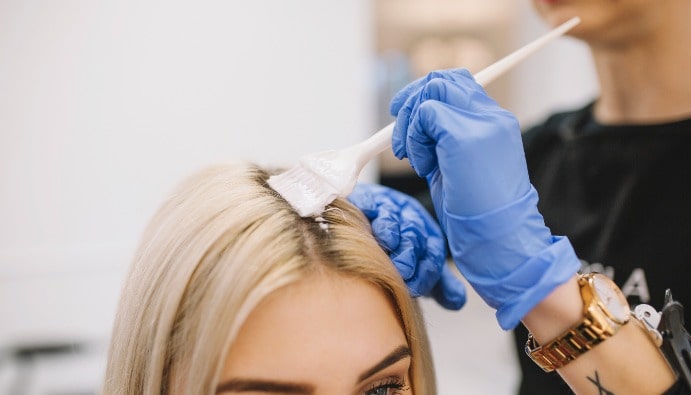
“Cruelty-free” means that animals are not intentionally used for testing at any stage of a product’s development or production process. This definition covers not only the final product but also every ingredient in the formulation and every link in the supply chain. When it comes to hair dye, this scope expands due to the product’s two-component structure. Both the pigment mixture in the dye tube and the oxidizing agent in the developer bottle are evaluated separately. Additionally, since hair dye is a product that comes into direct and relatively prolonged contact with the scalp, skin compatibility assessment is particularly important. The first component of the hair dye formulation is the pigment mixture contained in the dye tube. This mixture consists of color-forming precursors, alkaline agents, conditioning agents, and preservatives. Each component is evaluated separately for cruelty-free certification. Color precursors used in permanent hair dyes include components such as para-phenylenediamine (PPD), para-toluenediamine (PTD), and resorcinol. These components react with an oxidizing agent to create a permanent color within the hair. PPD and its derivatives constitute one of the most controversial groups of ingredients in the cosmetics industry; they are examined separately in cruelty-free certification due to both their potential to cause allergic reactions and their history of testing. In traditional hair dyes, ammonia is used to lift the outer layer of the hair, allowing pigments to penetrate. Due to its pungent odor and the irritation it can cause on the scalp, ammonia has begun to be phased out in favor of alternatives in recent years. Ammonia alternatives, such as monoethanolamine (MEA), stand out for their less irritating properties. The supply chain and testing history of both groups of ingredients are also evaluated in cruelty-free certification. Modern hair dyes contain various conditioning ingredients to reduce hair damage during the coloring process. Ingredients such as argan oil, jojoba oil, shea butter, and keratin fall into this category. Keratin can be derived from animal sources (wool, feathers, horns) or produced through plant-based or synthetic methods. Animal-derived keratin is not accepted in cruelty-free certification; plant-based or synthetic keratin, however, may be considered. The second component of the hair dye formulation is the oxidizing agent found in the developer bottle. This component is typically a hydrogen peroxide solution and enables the dye pigments to create color within the hair. The concentration of the oxidizing agent directly affects the intensity and longevity of the resulting color. Hydrogen peroxide is an ingredient subject to comprehensive evaluations under chemical safety regulations. The supply chain and testing history of this ingredient must also be documented separately for cruelty-free certification. Stabilizers, viscosity modifiers, and pH adjusters added to the developer bottle are evaluated in the same manner. The two-component structure of hair dye requires a separate assessment for cruelty-free certification. Both the dye tube and the developer bottle are examined separately based on their respective contents and supply chains. The final mixture produced when these two components are mixed by the user forms a new chemical composition, and this composition must not have been tested. Hair dyes have historically been one of the most heavily tested categories in the cosmetics industry. This is because the product comes into direct contact with the scalp, and it is necessary to evaluate the effects that may arise after long-term use. Among the methods used were applying hair dye to the shaved skin of laboratory animals and then monitoring the skin reaction for days. The potential for allergic reactions to color precursors such as PPD was central to these tests. Irritation that might occur following contact with the eye area was also evaluated. Today, testing cosmetic products on animals is banned in many countries. Hair dye is a product that comes into direct contact with the scalp and remains on the skin for a certain period of time. This characteristic places skin compatibility assessment at the heart of the hair dye category. Color precursors, particularly PPD, can cause allergic reactions in some individuals. As part of cruelty-free certification, the hair dye formulation is evaluated for its potential to cause skin irritation and allergic reactions. This evaluation is conducted using in vitro tissue models and human volunteer panels instead of animal testing. Tests performed on artificial skin models allow for the assessment of a component’s effect on the skin. For products like hair dye that have a long-term effect on the skin, animal-free testing methods offer significant advantages from both an ethical and scientific perspective. These methods eliminate the use of animals while providing results that more closely mimic human biology. Artificial skin models are three-dimensional tissue models produced from human skin cells. Tests conducted on these models allow for the evaluation of the potential irritating effects of hair dye ingredients on the skin. Computer-aided modeling can predict potential effects based on the molecular structure of a color precursor. Volunteer human panels, on the other hand, are used to evaluate the product’s performance and skin compatibility under real-world usage conditions. There are a few practical tips for those who want to choose a cruelty-free hair dye. First, check the certification logo on the product and verify whether it belongs to an independent certification organization. There is a difference in reliability between a symbol designed by the brand itself and an independent certification. Reading the ingredient list is also important. Ingredients such as keratin, lanolin, beeswax, carmine, and collagen can be found in hair dyes. Particularly in hair dyes containing keratin, it’s important to note whether the keratin is of animal or plant origin. The fact that a product is labeled “plant-based” or “natural” does not necessarily mean it is free of animal-derived ingredients. Therefore, the certification logo and the ingredient list are two key sources of information that must be evaluated together. A cruelty-free hair dye certification is more than just a label for brands; it’s a tool that encourages more transparent management of production processes. In a formulation with a two-component structure and numerous active ingredients, documenting the testing history of each ingredient requires a comprehensive supply chain analysis. This certification also offers consumers the opportunity to make an informed choice. Rather than focusing solely on the hair dye’s color and longevity, it becomes possible to evaluate the ethical commitment behind the product. This shifts the product selection process to a more holistic foundation for both the brand and the consumer. Due to its two-component structure and direct contact with the scalp, hair dye represents one of the most technically comprehensive areas of cruelty-free certification. Every component—from the pigments in the dye tube to the oxidizing agents in the developer bottle, and from color precursors like PPD to conditioning ingredients like keratin—is evaluated separately in terms of its supply chain and testing history. With the advancement of animal-free testing methods and growing consumer awareness, this category is becoming more transparent for both brands and consumers. While changing one’s hair color is a personal choice, the production process behind that color concerns us all.
Hair dye is one of the most complex formulations among cosmetic categories. This is not only because it contains a large number of ingredients, but also because it is based on a chemical process that is activated when two separate components are mixed at the time of use. The pigments in the dye tube and the oxidizing agent in the developer bottle are combined by the user; the color results from this mixture. This two-component structure gives hair dye a unique position in cruelty-free certification. In this article, we discuss what “cruelty-free” certification means specifically for hair dye, the ingredient groups in the formulation, and the current state of animal-free testing methods.
The concept of “cruelty-free” and the scope of the hair dye category
Pigments and Active Ingredients in the Dye TubeColor Precursors and PPD
Ammonia and Its Alternatives
Conditioning Ingredients and Plant-Based Oils
Oxidizing agents in the developer bottle
The History of Animal Testing in the Hair Dye Category
Scalp Sensitivity and Skin CompatibilityAnimal-free testing methods and hair dye
What to Look for When Choosing Hair Dye
The contribution of certification to the hair dye category
CLICK HERE TO GET A PRICE OFFER.