























Cruelty-Free Lip Balm Certification: Wax and Oil Ingredients
Cruelty-Free Certification for Lip Balm
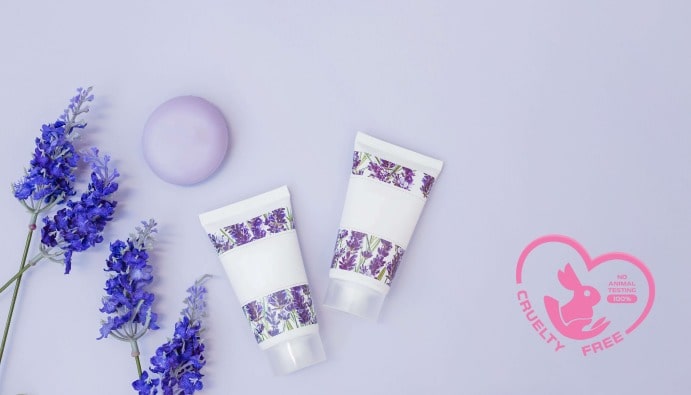
Cruelty-free lip balm certification is an independent endorsement that verifies that no ingredient used in a balm’s formulation is of animal origin and that no animal testing was conducted at any stage of the production process. This certification is evaluated within the lip products category and includes certain additional category-specific requirements. The key characteristic that distinguishes lip balm from other cosmetic categories is that nearly the entire formulation consists of wax and oil components. A typical balm consists of 20 to 30 percent wax by weight, 60 to 70 percent oil and emollients, with the remainder comprising active ingredients and additives. This composition requires that the source of each wax and oil component used in the balm formulation be verified separately. Since balm contains no visible water content, the need for preservatives is low; this shifts the focus of regulatory scrutiny from preservatives to raw materials. Waxes form the structural backbone of the lip balm formulation. Waxes give the product a solid form, create a long-lasting film on the lips, and reduce moisture loss. Waxes used in lip balm formulations are divided into two main groups based on their sources: animal-derived waxes and plant-derived waxes. Only plant-derived waxes are accepted for cruelty-free certification. The most commonly used animal-derived wax in balm formulations is beeswax, produced by bees. Beeswax is a byproduct of the honey production process and imparts thickening, moisturizing, and protective properties to balm formulations. Since beeswax is of animal origin, it is not accepted under cruelty-free certification. Another animal-derived wax, lanolin, is a compound derived from sheep’s wool and is actually a wax ester. Lanolin is widely preferred in balm formulations due to its powerful moisturizing properties. Similar to beeswax, lanolin is also of animal origin and is not accepted under cruelty-free certification. Another animal-derived wax, though rarely used in balm formulations, is spermaceti. This wax is obtained from the head cavity of the sperm whale, and its use is prohibited by international regulations. Spermaceti is not only unacceptable under cruelty-free certification but is also legally prohibited. The primary plant-based waxes used in cruelty-free balm formulations are carnauba wax, candelilla wax, castor wax, and sunflower wax. These waxes are derived from plants and contain no animal-derived ingredients. Carnauba wax is derived from the leaves of a palm tree native to Brazil and is one of the hardest plant-based waxes. Candelilla wax is derived from a shrub native to Mexico and has a texture similar to beeswax. Castor wax is derived from the castor oil plant and has a low melting point. Sunflower wax, on the other hand, is produced by fractionating sunflower oil and has become increasingly common in balm formulations in recent years. The second main group of ingredients in a balm formulation consists of oils and emollients. These components impart softening properties to the product, create a moisture barrier on the lip surface, and ensure the product’s spreadability. Just like waxes, oils can be of plant or animal origin. The primary animal oil derivatives used in balm formulations are lanolin, as well as lanolin alcohols and lanolin acids. These ingredients are obtained through the chemical modification of lanolin and are used as emollients in balm formulations. Because they are of animal origin, they are not accepted under cruelty-free certification. Another animal-derived oil is emu oil. Derived from the fat of the emu bird, this ingredient is used particularly in Australian-based balm brands. Emu oil is of animal origin and is not accepted under cruelty-free certification. The primary plant-based oils used in cruelty-free balm formulations are: shea butter, cocoa butter, coconut oil, jojoba oil, almond oil, avocado oil, olive oil, and sunflower oil. These oils are plant-based and contain no animal-derived ingredients. Like plant-based waxes, plant-based oils also require verification in terms of the supply chain. Specifically, for oils such as shea butter and cocoa butter, it must be documented that the auxiliary substances used in the harvesting and processing stages of the supply chain are not of animal origin. Since jojoba oil is actually a liquid wax, it functions as both an emollient and a thickener. Some ingredients used in balm formulations may be derived from both plant and animal sources. Verifying the source of these ingredients is one of the most critical stages of the cruelty-free certification process. Stearic acid, cetyl alcohol, and glyceryl stearate fall into this category. These ingredients are used as texture modifiers and emulsifiers in balm formulations. While the plant-based versions are typically derived from palm or coconut oil, the animal-based versions are produced from beef tallow. During the certification process, it must be clearly documented through a supplier declaration that these ingredients are plant-based. In addition to waxes and oils, balm formulations also contain active ingredients and additives. These components impart functional properties to the product and are evaluated separately during the certification process. Vitamin E (tocopherol), commonly used in balm formulations, can be derived from both plant-based and synthetic sources. Plant-based vitamin E is typically derived from sunflower oil and is accepted for cruelty-free certification. Synthetic vitamin E also contains no animal-derived ingredients but must be verified by a supplier’s declaration. Vitamin A derivatives and vitamin C derivatives are evaluated in a similar manner. Colorants used in tinted lip balms include iron oxides, mica, titanium dioxide, and carmine. Carmine is not accepted in cruelty-free certification because it is derived from insects. Verifying colorants using their Color Index (CI) codes eliminates any ambiguity in the ingredient list. Sweeteners used in balm formulations include stevia, xylitol, and sorbitol. These ingredients may be plant-based or synthetic. Flavors may be natural or synthetic, and their sources must be documented via supplier declarations. Some flavorings may contain animal-derived ingredients as carriers. Since lip balm formulations are water-free, the need for preservatives is low; however, some products use natural antioxidants such as vitamin E or rosemary extract. The plant-based origin of these ingredients must be documented. In lip balm cruelty-free certification, the production process is evaluated not only based on the ingredients used but also on production methods and facility conditions. The manufacturer must not have conducted any animal testing in the past five years. This requirement covers not only the final product but also every ingredient in the formulation and any auxiliary materials used in the production process. All of the manufacturer’s contracts, work orders, and invoices with testing laboratories are reviewed. A supplier declaration alone is not sufficient for each wax and oil ingredient in the balm formulation. During the certification process, these declarations must be verified through sampling, on-site inspections of supplier facilities, or independent analyses to confirm the source of the ingredients. In particular, it is mandatory to document that no animal-derived waxes, such as beeswax and lanolin, are used. If both lip balms containing beeswax or lanolin and cruelty-free lip balms are produced in the same manufacturing facility, production lines must be physically separated, or cleaning procedures must be verified. The risk of cross-contamination on lines where wax and oil ingredients are processed by melting may be higher compared to those using powdered ingredients. Claims on lip balm labels, such as “beeswax-free,” “lanolin-free,” or “vegan,” must be consistent with the scope of certification. The use of vague terms such as “natural wax” should be avoided; the specific type of wax used must be clearly stated. Cruelty-free lip balm certification consists of sequential stages, each of which is evaluated independently. The process begins with the manufacturer’s application and concludes with the issuance of the certification decision.
Lip balm is one of the simplest-looking yet most sensitive product categories in the cosmetics industry in terms of raw material sourcing. Lip balm formulations consist primarily of waxes, oils, and emollients; they contain very little or no water. This simple structure makes the product relatively safe from a microbiological standpoint but presents a completely different challenge for cruelty-free certification: a significant portion of the waxes and oils used in balm formulations may be derived directly from animal sources. In this article, we examine the raw material sourcing controls and certification requirements specific to lip balm products at a technical level.
Scope of Certification and Category-Specific Considerations
Wax Ingredients and Source Control
Animal-Derived Waxes and Their UsesPlant-Based Wax Alternatives
Oils and Emollient Ingredients and Source Control
Animal Oils and DerivativesPlant-Based Oils and Emollients
Dual-Source Ingredients and Verification Requirements
Active Ingredients and Additives
Vitamins and AntioxidantsColorants
Sweeteners and Flavors
Preservatives
Evaluation Criteria Related to the Production Process
Continuity of the Animal Testing BanVerification of Wax and Oil Suppliers
Cross-Contamination Control
Labeling and Declaration Consistency
Structure of the Certification Process