























Cruelty-Free Certification for Lipsticks: Certification for Lip Products
Cruelty Free Lipstick Certificate
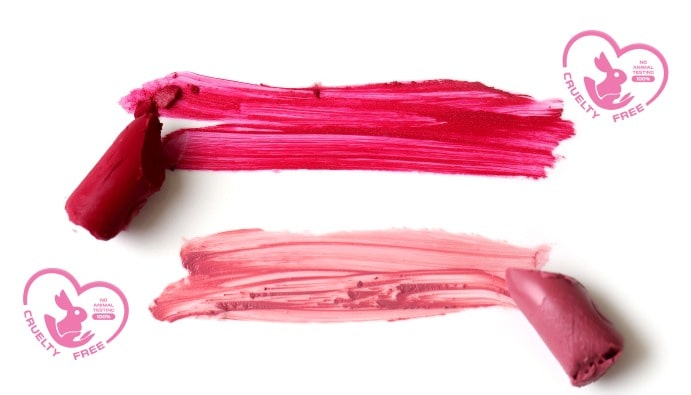
Lipstick is the most iconic product in the world of cosmetics. It’s a product a woman carries in her purse, reapplies countless times throughout the day, and perhaps even swallows bit by bit without even realizing it. It is precisely this last characteristic that sharply distinguishes lipstick from other cosmetic products and presents a specific area of scrutiny for certification bodies during the cruelty-free lipstick certification process. So, what criteria must a lipstick product meet to obtain cruelty-free certification? What are the risks specific to lip products, and how does the certification process work?
A cruelty-free lipstick certification is an independent endorsement that verifies no animal testing was conducted at any stage of the production chain—from the raw materials used in the formulation to the final product. Since lipstick is a product applied to the surface of the lips and partially ingested over time, the certification process evaluates not only skin safety but also the risk of exposure through ingestion. This characteristic places lipstick in a unique position within the cruelty-free certification hierarchy. In addition to proving that the product was not tested on animals, the manufacturer must also document that alternative safety tests cover ingestion scenarios.
Distinctive Criteria for Cruelty-Free Certification of Lipstick Products
Lipstick is subject to certain additional criteria that distinguish it from other cosmetic products in the cruelty-free certification process. These criteria stem from both the anatomical characteristics of the lip area and the product’s method of application. The table below illustrates the differences between cruelty-free certification criteria for standard skin care products and those specific to lipstick:
| Evaluation Criterion | Standard Skin Care Products | Lipstick and Lip Products |
|---|---|---|
| Ingestion Risk Assessment | Generally not assessed; the product is removed from the skin. | Required. A separate toxicological assessment must be conducted for an oral exposure scenario. |
| Carmine and Insect-Derived Pigments | May be used as a colorant but is not mandatory. | Carmine, an indispensable component of red and pink shades, is subject to special scrutiny in cruelty-free certification. This insect-derived pigment also conflicts with vegan standards. |
| Lip Mucosal Tolerance | A skin irritation test is sufficient. | Additional mucosal tolerance tests are required for sensitive surfaces such as the lip mucosa. |
| Heavy Metal Contamination | A standard heavy metal screening is performed. | Due to the risk of ingestion, much stricter limits are applied for lead, cadmium, and mercury. An analysis certificate is required for each batch. |
| Long-Lasting Lipstick and Matte Formulas | Film-forming polymers are subject to standard inspection. | Additional supply chain audits are conducted for acrylate copolymers and silicone resins used in long-lasting formulas. |
| Fragrance Ingredients | A standard allergen screening is sufficient. | The systemic effects of fragrances used in lip products following ingestion are evaluated. Ingredients such as synthetic musk are subject to special review. |
As can be seen from this table, lipstick certification is not limited to merely verifying that no animal testing was conducted. The safety of ingredients that could enter the body through the lips, the origin of each raw material in the supply chain, and the ethical compliance of every stage in the production process are all audited separately.
High-Risk and Preferred Ingredients in Lipstick Formulations
Lipstick formulations have a complex structure consisting of pigments, oils, waxes, emollients, and preservatives. In the cruelty-free certification process, while some of these ingredients require special attention, others are considered safe:
Ingredients Requiring Special Review
Insect-derived pigments such as carmine (E120) and carminic acid, synthetic musk ingredients, petroleum-derived mineral oils, acrylate copolymers, formaldehyde-releasing preservatives, and certain azo dyes. For each of these ingredients, complete supplier declaration forms and cruelty-free status certificates are required.
Safe and Preferred Ingredients
Plant-based waxes (carnauba, candelilla), shea butter, cocoa butter, jojoba oil, iron oxide pigments, titanium dioxide, vitamin E, vegetable glycerin, and coconut oil. These ingredients have well-established plant-based supply chains, and their “cruelty-free” status is easily verifiable.
Stages of the Certification Process
The application for cruelty-free lipstick certification consists of the following systematic stages. Each stage is designed to assess a different aspect of the product’s ethical compliance:
- Preliminary Application and Product Classification: The manufacturer submits the lipstick product’s full formulation, production method, target markets, and a list of all raw materials used to the certification body. The body classifies the product as a lip cosmetic and establishes additional audit criteria.
- Formulation and Ingredient Audit: The cruelty-free declaration form, safety data sheet, and technical specification document for each raw material are reviewed. The presence of insect-derived ingredients, such as carmine, is specifically screened.
- In-Depth Supply Chain Review: Suppliers of critical ingredients, such as pigments, waxes, and preservatives, may be audited on-site, or detailed documentation may be requested. It is verified that each raw material is produced without animal testing.
- Final Evaluation and Certification: Once all audit stages are successfully completed, the certification committee approves the cruelty-free lipstick certification. The certification is valid for one year.
Acceptable Alternative Safety Testing Methods
For products such as lipstick that pose a risk of ingestion, safety assessments are conducted using the following alternative methods instead of animal testing. Certification bodies rigorously verify that these methods comply with international standards:
In Vitro Cytotoxicity Tests
These tests are performed using tissue models derived from human lip mucosa cells. The potential toxic effect of the lipstick formulation on lip cells is assessed by measuring cell viability. They are conducted in accordance with standard protocols such as OECD 129.
In Silico Toxicology Modeling
Using computer-aided structure-activity relationship analyses and physiologically based pharmacokinetic modeling, the systemic exposure level and potential toxicity of each ingredient in the formulation following ingestion are predicted.
Human Volunteer Panel Tests
These are controlled use tests conducted with volunteer participants in accordance with protocols approved by an ethics committee. The lipstick’s lip tolerance, color retention, and comfort of use are evaluated. The tests are conducted under dermatological supervision.
Analytical Chemistry Methods
Using advanced analytical methods such as high-performance liquid chromatography and mass spectrometry, heavy metals, residual solvents, and contaminants in the lipstick formulation are quantitatively determined. An analysis certificate is issued for each batch.
Ongoing Compliance Obligations After Certification
Once a cruelty-free lipstick certification is obtained, the manufacturer must fulfill ongoing obligations to maintain the certification’s validity. These obligations aim to ensure that the product retains its cruelty-free status throughout its time on the market:
- Annual Recertification: The lipstick certification is valid for two years. At the end of this period, production records, supplier declarations, and test results are reviewed again.
- Mandatory Notification of Formulation Changes: Even the slightest change to the lipstick formulation must be reported to the certification body in advance. The certificate cannot remain valid until the cruelty-free status of new ingredients is confirmed.
- Notification of Pigment Supplier Change: Specifically, when the supplier of pigments such as carmine and iron oxide changes, the new supplier’s cruelty-free declaration form and required documents must be submitted to the certification body.
- Market Expansion Restrictions: A certified lipstick product may not be offered for sale in a market where animal testing is legally required. If this rule is violated, the certification will be revoked immediately.
- Batch-by-Batch Traceability: Raw material batch numbers and cruelty-free declarations for each production batch must be recorded and kept available for inspection.
Cruelty-free lipstick certification represents one of the most rigorous and comprehensive processes in the world of cosmetics certification. The risk of ingestion associated with lip products, the potential to contain controversial ingredients such as carmine, and the sensitivity of the lip mucosa make the certification process multifaceted from both scientific and ethical perspectives. As a certification body, our core mission is to guide lipstick manufacturers through every stage of the process and build the trust behind the “cruelty-free” label.
CLICK HERE FOR THE CRUELTY-FREE PRODUCT CERTIFICATE.