























Shampoo and Animal Testing: Cruelty-Free Certification
Cruelty Free Shampoo Certificate
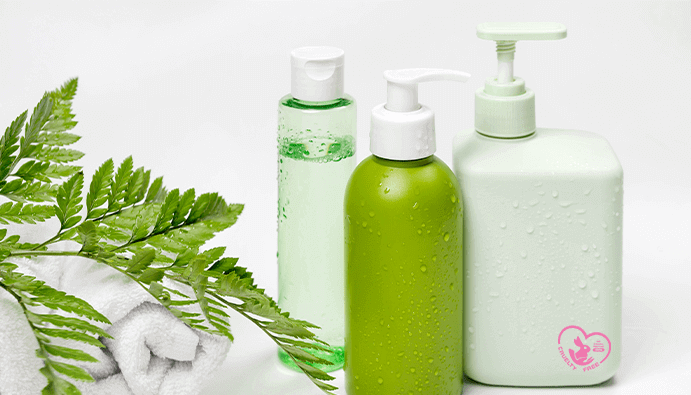
Animal testing refers to experiments conducted on animals to assess the safety of cosmetic products and their ingredients. When it comes to shampoo, these tests cover a broad range for several category-specific reasons. First and foremost is the fact that shampoo comes into prolonged contact with the scalp. When applied, shampoo remains on the scalp for several minutes, and contact with the skin continues during rinsing. This duration necessitates an assessment of the potential for skin irritation and allergic reactions. The second reason is the risk of shampoo coming into contact with the eyes. During rinsing, shampoo lather can drift toward the eye area. For this reason, eye irritation tests hold a special place in the shampoo category. This risk is even more critical for baby shampoos. Shampoo formulations contain numerous ingredients that come into contact with the scalp. Surfactants, silicones, fragrance components, preservatives, and anti-dandruff actives fall into this group. In the past, extensive animal testing was conducted to evaluate the effects of these ingredients on the skin. Among the methods used were applying shampoo to the shaved skin of test animals and then monitoring the skin’s reaction for days. To assess the potential for allergic reactions, repeated applications were made to the animals’ ears or abdominal areas. These tests were viewed as both severely painful and scientifically questionable. For products like shampoo that come into prolonged contact with the scalp, a “cruelty-free” certification requires not only that the final product not be tested on animals but also that every single ingredient in the formulation have no history of animal testing for skin irritation or allergic reactions. This means additional documentation is required, particularly for surfactants and fragrance components. A shampoo’s cleansing power comes from its surfactants. Anionic surfactants such as sodium lauryl sulfate (SLS), sodium laureth sulfate (SLES), and ammonium laureth sulfate produce a rich lather and dissolve oil. Amphoteric and nonionic surfactants, such as cocamidopropyl betaine and glycoside derivatives, provide a gentler cleanse. Surfactants are among the most extensively tested groups of ingredients in the cosmetics industry. These substances interact directly with the skin barrier and can cause irritation at high concentrations. In the past, the effects of these ingredients on the skin and eyes were tested on animals. In recent years, sulfate-free shampoos have become increasingly popular. These formulas use glucose-based surfactants (coco-glucoside, decyl glucoside, lauryl glucoside) instead of SLS and SLES. These alternatives are considered less irritating to the scalp. However, what matters in cruelty-free certification is not the type of ingredient, but its testing history. Shampoos contain various silicones to smooth hair strands and add shine. Dimethicone, cyclopentasiloxane, amodimethicone, and dimethiconol fall into this group. These ingredients form a thin film on the hair’s surface, reducing moisture loss and making combing easier. Silicones are one of the ingredient groups with a comprehensive testing history in the cosmetics industry. The effects of these ingredients on the skin and eyes have been evaluated through toxicity tests conducted on animals in the past. In cruelty-free certification, the supply chain and testing history of silicones are also examined. Anti-dandruff shampoos work by inhibiting fungal growth on the scalp or regulating cell turnover. Zinc pyrithione, ketoconazole, selenium sulfide, and salicylic acid belong to this group. The efficacy and safety of these active ingredients have been evaluated through animal testing in the past. Ketoconazole and zinc pyrithione, in particular, are among the active ingredients with the most extensive testing history in the cosmetic and pharmaceutical industries. Both the efficacy and long-term safety of these ingredients have been subject to comprehensive animal testing. In cruelty-free certification, the supply chain and testing history of these active ingredients are also examined. Shampoos act on the cuticle, which is the outer layer of the hair shaft. The hair shaft’s moisture-retention capacity, elasticity, and surface smoothness are directly influenced by the shampoo formulation. Verifying these effects requires category-specific physiological tests. In the past, some of these tests were conducted on animals. Due to structural similarities between animal fur and human hair, animal models have been used to evaluate hair care products. Today, the methods accepted for cruelty-free certification are in vitro hair models and human volunteer panels. Shampoo is applied to volunteer participants, and the hair strand’s moisture retention capacity, elasticity, and surface smoothness are evaluated under specific conditions. Shampoos contain numerous fragrance components to leave a pleasant scent. Since these components come into contact with the scalp and remain on the hair after rinsing, they are evaluated separately for their potential to cause allergic reactions. Fragrance components constitute one of the groups of ingredients with the highest potential for allergic reactions in the cosmetics industry. Fragrance ingredients have historically been subject to extensive animal testing. Skin sensitization tests and allergic reaction assessments have been widely applied to this group of ingredients. Today, in cruelty-free certification, a separate test history declaration is required for each of these ingredients. Because shampoo is a product with a high water content, it is susceptible to microbiological spoilage. For this reason, it contains preservative systems. Phenoxyethanol, sodium benzoate, potassium sorbate, and parabens fall into this group. These preservatives themselves are not of animal origin; however, documentation must be provided to confirm that no animal testing was conducted during their production processes. Additionally, some shampoo formulations may use chitosan or lysozyme as natural preservatives. Chitosan is derived from the shells of crustaceans, while lysozyme is derived from egg whites. These ingredients are of animal origin and prevent the product from receiving cruelty-free certification. Some shampoos claim to repair hair and contain keratin, collagen, or silk protein for this purpose. Keratin can be derived from animal sources (wool, feathers, horns) as well as produced through plant-based or synthetic methods. Collagen is generally of animal origin; plant-based collagen alternatives are limited. Silk protein, on the other hand, is derived from silkworm cocoons and is of animal origin. The source of these ingredients is additionally verified in the “cruelty-free” certification process. At the core of cruelty-free certification is the principle that the manufacturer must not have conducted any animal testing in the past five years. This principle applies not only to the final product but also to every ingredient in the formulation and the auxiliary materials used in the production process. When it comes to shampoo, this principle is particularly important due to the category’s prolonged contact with the scalp and the risk of eye contact. Documenting that no animal testing has been conducted—both for skin compatibility and eye safety—is a critical requirement from both an ethical and scientific standpoint. In products like shampoo that come into prolonged contact with the scalp, animal-free testing methods have become significantly more widespread in recent years. These methods eliminate the use of animals while yielding results that more closely mirror human biology. Artificial skin models are three-dimensional tissue models produced from human skin cells. Tests conducted on these models allow for the evaluation of a shampoo formulation’s potential irritating effects on the scalp. Artificial cornea models are used to assess irritation that may occur following contact with the eye. In vitro hair strand models examine the shampoo’s effect on hair structure without using animals. Microbiological culture tests evaluate anti-dandruff efficacy. Computer-aided modeling can predict the potential effects of an ingredient based on its molecular structure. Volunteer human panels are used to evaluate the product’s performance under real-world conditions, its cleansing efficacy, and its scalp compatibility. There are a few practical tips for those who want to choose a cruelty-free shampoo. First, check the certification logo on the product and verify whether it belongs to an independent certification organization. There is a difference in reliability between a symbol designed by the brand itself and an independent certification. Reading the ingredient list is also important. Ingredients such as keratin, collagen, silk protein, lanolin, beeswax, propolis, chitosan, and lysozyme can be found in shampoos. Especially in shampoos that claim to be “repairing” or “nourishing,” the source of keratin and collagen requires careful attention. Additionally, the sources of active ingredients like biotin, panthenol, and hyaluronic acid can be either plant-based or animal-derived. For this reason, the certification logo and the ingredient list are two essential sources of information that must be evaluated together. A “cruelty-free” shampoo certification is more than just a label for brands; it’s a tool that encourages more transparent management of production processes. In a formulation containing surfactants, silicones, anti-dandruff actives, and preservatives, documenting the source and testing history of each ingredient requires a comprehensive supply chain analysis. This certification also offers consumers the opportunity to make an informed choice. Rather than judging a shampoo solely by its scent and lather, it becomes possible to evaluate the ethical commitment behind the product. This shifts the product selection process to a more holistic foundation for both the brand and the consumer. Shampoo constitutes a unique category in terms of animal testing due to its prolonged contact with the scalp and the risk of eye contact. Every stage—from scalp irritation tests to eye irritation assessments, and from the testing history of sulfates and silicones to the evaluation of anti-dandruff actives—is specifically addressed in cruelty-free certification. Sulfate-free shampoos, reparative active ingredients such as keratin and collagen, and protective systems are evaluated under separate headings as category-specific topics. With the advancement of animal-free testing methods and growing consumer awareness, this category is becoming more transparent for both brands and consumers. Every time you wash your hair, you’re making a choice; the production process behind that choice is just as important as the product itself.
Shampoo is a staple of any hair care routine. It comes into direct contact with the scalp, penetrates the hair strands, and poses a risk of eye contact during rinsing. These characteristics have made shampoo one of the most extensively tested categories in the cosmetics industry. In this article, we examine the history of animal testing specifically for shampoo, the category-specific risk areas, and the current state of animal-free testing methods.
Why do animal tests for shampoo cover such a broad range of risks?
The History of Scalp Irritation Testing on Animals
Surfactants and Animal TestingSulfate-Free Shampoos
Silicones and Animal Testing
Anti-dandruff actives and animal testing
Hair Shaft Structure and Physiological Tests
Fragrance ingredients and animal testing
Preservatives and Microbiological Safety
Keratin, collagen, and silk protein
The Significance of Avoiding Animal Testing
Animal-Free Testing Methods and Shampoo
What to Look for When Choosing a Shampoo
The contribution of certification to the shampoo category
CLICK HERE TO GET A PRICE OFFER.