























"Egg-Free" Label: Egg Allergy
Egg Free Analysis
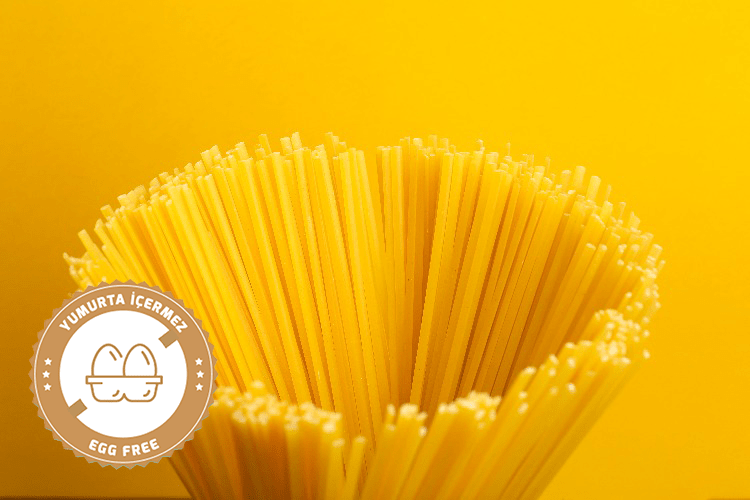
Your child has an egg allergy, and you’re carefully examining the label of a product in the grocery store. You don’t see the word “egg” in the ingredient list. Does that mean the product is safe? Unfortunately, not always. In the food industry, eggs appear not only as a breakfast food but also as a functional ingredient in unexpected products under dozens of different names, such as lecithin, albumin, lysozyme, and globulin.
The “Egg-Free” label states that a food product contains no eggs, egg whites, egg yolks, or any derivatives derived from them. This label provides vital protection against egg allergies, one of the most common food allergies, particularly among infants and young children. According to European Union regulations, egg is one of the 14 allergens that must be declared, and it must be highlighted in a different font from other ingredients on the ingredient list. However, this requirement applies only to eggs added directly; it does not apply to trace amounts of egg residue that may be present in the product due to cross-contamination.
Egg White and Egg Yolk Allergies: Different Risks
When people think of egg allergy, they usually imagine a single type of allergy. In reality, egg whites and egg yolks contain different allergenic proteins, and some individuals may be sensitive to only one of them. This distinction is critically important, especially when it comes to vaccines and certain processed foods.
Egg White Allergy
The vast majority of egg allergies are to egg white. Ovalbumin, ovomucoid, ovotransferrin, and lysozyme are the primary allergenic proteins. Since ovomucoid is heat-resistant, even cooked eggs can trigger a reaction. Since egg white protein is used in the production of certain vaccines, such as those for the flu and measles, it is essential to inform your doctor before receiving a vaccine.
Egg Yolk Allergy
Allergy to egg yolk is much rarer than allergy to egg white. Livetin and apovitellin are the primary allergenic proteins. Egg yolk proteins are more sensitive to heat and break down significantly during cooking. For this reason, some individuals with egg yolk allergy may be able to tolerate well-cooked eggs.
This distinction explains why, when reading food labels, you should look not only for the word “egg” but also for egg derivatives. For example, a product may contain only egg white, which is listed as “egg white powder” in the ingredients list. While someone with an egg yolk allergy could theoretically consume this product, the same product poses a serious risk to someone with an egg white allergy.
Egg Derivatives That May Be Hidden in Food Labels
Eggs and egg derivatives are used in the food industry not only as whole eggs but also in functional roles—such as emulsifiers, binders, foaming agents, and glazing agents—under many different names. The table below lists the main hidden sources of eggs that consumers with egg allergies should pay particular attention to:
| Egg Derivative Ingredient | Alternative Names | Unexpected Products Where It May Be Found | Allergen Status |
|---|---|---|---|
| Lecithin (E322) | Egg lecithin, phosphatidylcholine | Chocolate, baked goods, margarine, ice cream, prepared sauces | May be derived from either eggs or soy. Soy lecithin is safe. |
| Lysozyme (E1105) | Muramidase, lysozyme hydrochloride | Cheeses, wine, medications, oral care products | Derived from egg white. It poses a high allergen risk. |
| Albumin | Egg albumin, ovalbumin, bovine serum albumin | Processed meat products, deli meats, dietary supplements | Typically derived from eggs. Used as a binding agent. |
| Globulin | Ovoglobulin, immunoglobulin | Infant formulas, specialized medical foods, sports supplements | Derived from egg yolk. It is heat-sensitive. |
| Vitellin | Egg yolk protein, lipovitellin | Emulsion-based sauces, creams, ice cream | Derived from egg yolk. Used as an emulsifier. |
| Egg Powder | Dried egg, whole egg powder | Instant soups, bouillons, pasta, noodles, breaded foods | Produced from whole eggs. Contains all allergens. |
As can be seen from this table, egg derivatives are extremely common in the food industry and are often used in products where consumers least expect them. Lecithin, in particular, is a dual-source ingredient that can be derived from either eggs or soy, and poses a risk unless its source is clearly indicated on the label.
Egg-Free Alternatives and Safe Product Categories
For individuals with egg allergies and those following a vegan diet, the food industry offers an ever-expanding range of alternatives. Below, you’ll find safe egg-free alternatives and product categories that require special attention:
Plant-Based Lecithin Sources
Soy lecithin and sunflower lecithin are excellent alternatives to egg lecithin. Lecithin used in certified vegan products is always plant-based.
Flaxseed and Chia as Egg Replacements
One tablespoon of ground flaxseed or chia seeds, when mixed with three tablespoons of water, perfectly mimics the binding properties of one egg.
Binding with Fruit Puree
Banana puree, apple puree, and avocado can take on the moisturizing and binding role of eggs in baked goods. They yield particularly successful results in cake and muffin recipes.
Aquafaba (Chickpea Water)
The liquid from canned chickpeas can be whipped into a foam, just like egg whites. It is used as a direct substitute for egg whites in recipes such as meringues, macarons, and sponge cakes.
Vegan Egg Powders
Special vegan blends are available on the market—made from a mixture of chickpea flour, potato starch, and plant-based proteins—that serve as alternatives to omelets and scrambled eggs.
Commercial Egg Substitutes
Industrial egg substitutes based on starch and plant-based proteins, developed specifically for the baking industry, are available. Vegan-certified versions of these products should be preferred.
Label-Reading Strategy for People with Egg Allergies
Living safely with an egg allergy requires constant attention and discipline when reading labels. The following systematic approach will guide you in your shopping and food choices:
- Scan the ingredient list for allergen highlights. Look for terms such as “egg,” “egg white,” “egg yolk,” or “egg powder” written in bold, italics, or a different color. These highlights are required by law.
- Learn about hidden egg derivatives. Ingredients such as lecithin (E322), lysozyme (E1105), albumin, globulin, vitellin, and ovomucoid may be derived from eggs.
- Be extra careful with baked goods. The vast majority of products such as bread, cakes, cookies, sponge cake, pastries, and croissants contain eggs. Look for “egg-free” or “vegan” labels.
- Check the labels on pasta and noodles. Fresh pasta and egg noodles, in particular, contain eggs. Dried pasta is usually egg-free, but you should still check the label.
- Pay attention to breading and coating ingredients. Eggs are used as a binder in breaded products such as fritters, meatballs, schnitzel, and nuggets.
- Always inform restaurants about your allergy. The risk of cross-contamination is particularly high in kitchens where omelets, crepes, and pastries are prepared. Ask that your meal not be cooked in the same pan.
The “Egg-Free” label is one of the most critical safety statements on food labels, especially for families with children. When you see this label, you can be sure that the product not only contains no whole eggs but is also free of all egg derivatives, such as lecithin, lysozyme, albumin, and globulin. However, remember that even the most reliable label cannot replace your own vigilance. Continue to read the ingredient list every time you shop, contact the manufacturer if you have any doubts, and never leave your child’s health at the mercy of any marketing claims.