























"Does Not Contain Fish" Label: Seafood Allergy
Fish Free Analysis
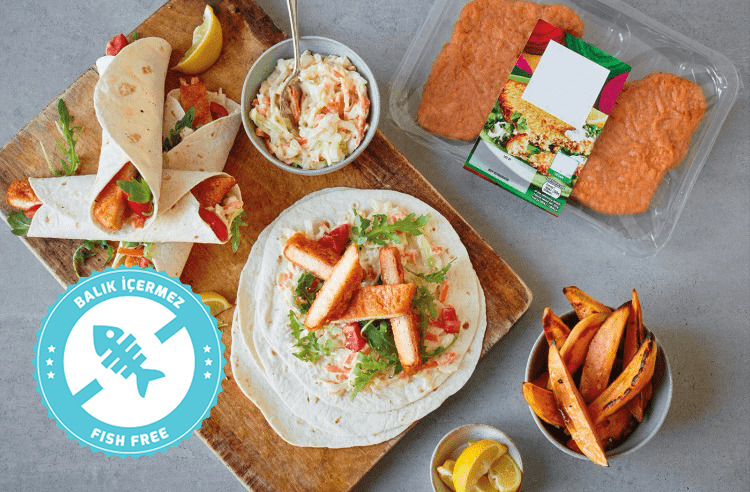
When you tell a waiter at a restaurant that you have a fish allergy, you usually get the response, “But there’s no fish in this dish.” In reality, fish and fish-derived ingredients appear in the food industry in completely unexpected products, often as hidden ingredients. From Worcestershire sauce to omega-3 supplements, and from certain fruit juices to wine, fish-derived ingredients can be found in many products. This is precisely why, for people with fish allergies, the “fish-free” label is not just information—it’s a vital safety measure.
The “fish-free” label states that a food product contains no ingredients derived from any type of fish and that fish-derived cross-contamination is kept under control during the production process. This label is one of the most important protective measures against fish allergies, which are included on the European Union’s mandatory allergen list. Fish allergy is one of the most common food allergies to develop in adulthood and, unlike many other allergies that begin in childhood, tends to persist throughout life.
Fish Allergy and Shellfish Allergy: They Are Not the Same Thing
To fully understand the importance of the “fish-free” label, it is first necessary to know the fundamental difference between a fish allergy and a shellfish allergy. These two types of allergies are often confused with one another but involve entirely different allergenic proteins.
Fish Allergy
It is the immune system’s reaction to a protein called parvalbumin found in fish meat. Fish with fins, such as salmon, tuna, cod, mackerel, anchovies, and trout, fall into this category. A fish allergy can occur even without an allergy to shellfish. Some individuals are allergic to only a single type of fish.
Shellfish Allergy
This is an allergy to crustaceans such as shrimp, crab, and lobster, as well as mollusks such as mussels, oysters, and squid. It is based on a completely different group of allergens than fish allergy. A person with a fish allergy may be able to safely consume shellfish, or the opposite may be true.
This fundamental distinction explains why a “fish-free” label is not the same as a “shellfish-free” label. A product may be free of fish but still contain shrimp or mussel derivatives. While this product may be safe for a consumer with a fish allergy, it could pose a risk to someone with a shellfish allergy. Therefore, it is vital to read the label carefully and understand exactly what the allergen source is.
Hidden Sources of Fish in Food Labels
Fish and fish derivatives appear in the food industry not only in obvious forms, such as fish fillets or canned tuna, but also in a much wider range of unexpected products. The table below lists the main hidden sources of fish that consumers with fish allergies should pay particular attention to:
| Fish-Derived Ingredient | Alternative Names | Unexpected Products Where It May Be Found | Allergen Status |
|---|---|---|---|
| Fish Sauce | Fish sauce, nam pla, nuoc mam, fish hydrolysate | Asian sauces, salad dressings, marinades, ready-to-eat soups, bouillons | High allergen. It is the most common hidden source of fish. |
| Worcestershire Sauce | Worcestershire sauce, English sauce, Lea & Perrins | Meat marinades, Bloody Mary cocktail, barbecue sauces, Caesar salad dressing | Contains anchovies in the traditional recipe. Vegan versions are available. |
| Gelatin and Thickeners | Fish gelatin, isinglass (fish bladders), chitosan | Wine and beer clarification, candies, yogurt, gum | Isinglass is particularly common in wine production. Vegan wines do not contain fish. |
| Omega-3 Supplements | Fish oil, cod liver oil, krill oil, marine omega-3 | Capsule supplements, functional foods, fortified milks, infant formulas | High allergen potential. Algae-based omega-3 alternatives should be preferred. |
| Caviar and Fish Roe | Roe, caviar, tarama, mentaiko, bottarga | Sushi, canapés, seafood spreads, pasta sauces | High allergen potential. Even trace amounts can cause a severe reaction. |
| Surimi | Crab sticks, imitation scallops, kamaboko | Sushi, salads, seafood salads, snacks | Made from white-fleshed fish. Often confused with crab allergy. |
As can be seen from this table, fish derivatives are extremely common in the food industry and are often used in products consumers would never expect. In particular, sauces typical of Asian cuisine and beverages such as wine pose a serious risk to those with fish allergies.
Legal Regulations and Enforcement of the “Does Not Contain Fish” Declaration
Fish is one of the 14 allergens that must be declared under the European Union’s Regulation (EU) No. 1169/2011 on Food Information to Consumers. The Turkish Food Codex Labeling Regulation has adopted this list verbatim. The regulations require that all ingredients derived from fish and fish products be clearly listed in the ingredients list and distinguished from other ingredients.
The verification process for the “Does not contain fish” declaration consists of the following stages:
- Formulation and Raw Material Verification: The manufacturer submits the technical specifications and allergen declaration forms for all raw materials used to the certification body. It is documented through supplier declarations that each raw material does not contain fish derivatives.
- Production Line Cross-Contamination Control: If products containing fish are also manufactured at the same facility, the separation of production lines or the validation of cleaning procedures is required. Surface swab tests are performed to detect fish protein residues.
- Fish Protein Screening via ELISA Test: Samples taken from the final product are tested for fish proteins using the ELISA method at accredited laboratories. Fish-specific allergenic proteins, such as parvalbumin, are targeted.
- DNA Detection via PCR Analysis: Especially in processed and heat-treated products, where proteins may have been broken down, fish DNA is detected using the PCR method.
Fish-Free Alternatives and Safe Product Groups
Living with a fish allergy requires certain dietary adjustments, especially when it comes to sources of omega-3 fatty acids and protein. Below, you will find safe, fish-free alternatives and product groups that require special attention:
Algae-Based Omega-3 Supplements
DHA and EPA supplements derived from seaweed instead of fish oil are completely safe for people with fish allergies. They provide the same omega-3 profile without animal-based ingredients.
Vegan Worcestershire Sauce
While the traditional recipe for this sauce contains anchovies, soy-based or entirely plant-based vegan versions are available. Look for the “vegan” logo on the label.
Plant-Based Protein Sources
Plant-based protein sources such as lentils, chickpeas, tofu, tempeh, and quinoa can be safely consumed as alternatives to fish. These products do not pose a risk of fish allergy.
Vegan Wines
Vegan-certified wines that use bentonite clay or plant-based alternatives instead of fish bladders in the fining process are safe for people with fish allergies.
Coconut Amino
As an alternative to the fish sauce commonly used in Asian cuisine, this product—made from coconut extract—offers a similar umami flavor and is completely fish-free.
Flaxseed and Chia Seeds
These seeds, which are a natural source of omega-3, are an excellent alternative for those who do not consume fish. They can be added to salads, yogurt, or smoothies.
Label-Reading Strategy for People with Fish Allergies
Living safely with a fish allergy requires constant attention and discipline when reading labels. The systematic approach below will guide you in your shopping and meal choices:
- Scan the ingredient list for allergen highlights. Look for terms such as “fish,” “fish protein,” “fish oil,” or “fish hydrolysate” written in bold, italics, or a different color. These highlights are required by law.
- Pay attention to Latin and foreign names. In imported products, you may encounter English names such as “anchovy” (hamsi), “cod” (morina), “tuna” (ton balığı), “salmon” (somon), “sardine” (sardalya), and “mackerel” (uskumru).
- Check all products containing Worcestershire sauce. This sauce traditionally contains anchovies. It is frequently used in barbecue sauces, meat marinades, and Caesar salad dressings.
- Be careful with your wine and beer choices. Fish-derived ingredients may have been used in the clarification process. Choose beverages that are vegan-certified or do not contain “fining agents.”
- Check the source of omega-3 in dietary supplements. Choose supplements containing algae-based omega-3 instead of fish oil. The capsule itself may also be made from fish gelatin.
- Be extra careful at Asian restaurants. In Far Eastern cuisine, fish sauce and shrimp paste are used in almost every dish. Be sure to mention your allergy and ask for detailed information about the ingredients.
The “fish-free” label is perhaps one of the most effective statements on food labels for protecting against hidden sources of fish. When you see this label, you can be sure that the product not only contains no fish fillets or canned tuna, but is also free of all fish derivatives, such as Worcestershire sauce, fish sauce, fish gelatin, fish oil, and isinglass. For individuals with fish allergies, this small label serves as a major safety net. Remember that the safest way to shop is to read labels carefully and contact the manufacturer if you have any doubts.