























"Gluten-Free" Label: Celiac Disease and Gluten Sensitivity
Gluten Free Analysis
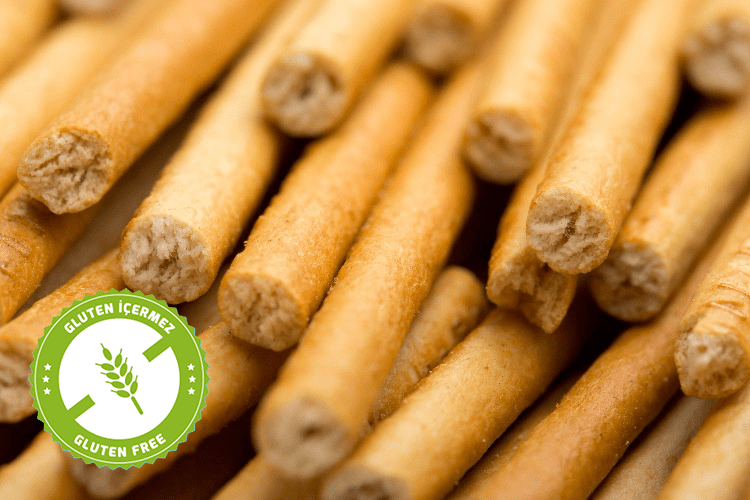
You saw the “gluten-free” logo on a packaged product you picked up from the grocery store shelf. For someone with celiac disease, this logo is not just an indication of preference—it is, in every sense, a safety certification. But does this label really offer an absolute guarantee? Is a product bearing the gluten-free logo safe for people with celiac disease under all circumstances? Or is there always a certain margin of tolerance due to legal threshold values and the risk of cross-contamination?
The “gluten-free” label is a legal statement declaring that a food product contains less than 20 milligrams of gluten per kilogram (20 ppm). This threshold value is an internationally recognized standard in many countries, including the European Union and Turkey. Gluten is a group of proteins found in wheat, barley, rye, and their hybrid varieties that causes serious damage to the small intestine in people with celiac disease. The “gluten-free” label guarantees not only that these grains are not used directly but also that no gluten has been introduced through cross-contamination during the production process. This is of critical importance, especially when gluten-containing products are also manufactured in the same facility.
Celiac Disease, Gluten Sensitivity, and Wheat Allergy: Three Different Conditions
To fully grasp the importance of the “gluten-free” label, it is first necessary to understand the three different health conditions related to gluten. These three conditions are often confused with one another, but their causes, mechanisms, and management strategies are entirely different.
Celiac Disease
An autoimmune disease characterized by damage to the villi of the small intestine resulting from an abnormal immune response to the gluten protein. It impairs nutrient absorption and, if left untreated, can lead to serious complications. A strict, lifelong gluten-free diet is the only treatment. Even the smallest trace of gluten can cause intestinal damage.
Gluten Sensitivity
This is a condition in which symptoms such as digestive issues, headaches, joint pain, and fatigue occur when gluten is consumed, even though the individual does not have celiac disease or a wheat allergy. It is not an autoimmune disease and does not cause intestinal damage. The tolerance level varies from person to person; some individuals can tolerate trace amounts of gluten.
The most critical difference among these three conditions is the amount of gluten that can be tolerated. While the threshold considered safe for people with celiac disease is 20 ppm, this limit can vary from person to person for those with gluten sensitivity. People with a wheat allergy, on the other hand, must avoid all wheat proteins.
Grains Containing Gluten and Hidden Sources of Gluten
Gluten is not only found in obvious products like bread, pasta, and pastries, but also appears in many unexpected products in the food industry as a thickener, binder, and filler. The table below lists the main grains containing gluten and hidden sources of gluten:
| Grain or Ingredient | Gluten Status | Alternative Names | Unexpected Products Where It May Be Found |
|---|---|---|---|
| Wheat | High in gluten | Semolina, bulgur, couscous, durum, spelt, kamut | Soy sauce, vinegar, instant soups, bouillons, processed meat products |
| Barley | Contains high levels of gluten | Malt, malt extract, malt vinegar, barley malt flavoring | Beer, whiskey, breakfast cereals, chocolate coatings |
| Rye | Contains high levels of gluten | Rye flour, rye bread, pumpernickel | Multigrain breads, crackers, whiskey |
| Oats | Naturally gluten-free | Oatmeal, oat flour, oat bran | There is a very high risk of cross-contamination with wheat during cultivation and processing. Only “gluten-free oats” are safe. |
| Modified Starch | Depends on the source | Modified corn starch, modified potato starch | Gluten-free unless derived from wheat. The source must be specified on the label. |
Critical Warning Regarding Oats: Oats are naturally gluten-free. However, because they are grown side by side with wheat in the field, harvested with the same equipment, and processed in the same facility, the risk of cross-contamination is extremely high. People with celiac disease should consume only “certified gluten-free oats.” Additionally, some people with celiac disease may react to the avenin protein found in oats.
International Gluten-Free Certification Standards
The “gluten-free” label may be a manufacturer’s self-declaration or issued by independent certification organizations. Independent certifications indicate that the product has been tested against stricter thresholds and is subject to regular audits. Below you will find the most common international gluten-free certification programs:
Cross Grain Logo
Issued by the International Federation of Celiac Associations, this logo is the most widely recognized gluten-free symbol. It guarantees that the product has passed independent laboratory testing and contains less than 20 ppm of gluten. It is used in more than 40 countries worldwide.
GFCP (Gluten-Free Certification Program)
Developed by the Canadian Celiac Society, this program monitors not only the final product but the entire production chain. All stages that pose a risk of gluten contamination—from raw material suppliers to production facilities, and from storage to shipping—are inspected.
Coeliac UK Certification
Based in the United Kingdom, this certification applies a stricter threshold of 10 ppm. It requires products to be tested at regular intervals by independent laboratories and production facilities to undergo annual inspections.
Gluten-Free Logo (Turkey)
In Turkey, gluten-free products are labeled in accordance with criteria established by the Ministry of Agriculture and Forestry. The “Gluten-Free” label indicates that the product contains less than 20 ppm of gluten. This logo is mandatory for products specifically designed for people with celiac disease.
Risk of Cross-Contamination and Precautions to Take in the Home Kitchen
Although products labeled “gluten-free” are safe at the factory level, one of the greatest risks for people with celiac disease is cross-contamination in home kitchens or restaurants. Even simple actions—such as using the same toaster, stirring with the same wooden spoon, or storing bread in the same bread box—can lead to serious gluten contamination.
Kitchen Equipment
Toasters, bread toasters, wooden cutting boards, colanders, and flour sifters—which have porous or hard-to-clean surfaces—are the primary sources of cross-contamination. It is recommended that people with celiac disease have a separate toaster and cutting board.
Shared Foods
Bread crumbs that get into shared jarred foods—such as butter, jam, and peanut butter—pose a serious risk. It is safer for people with celiac disease to use separate jars or opt for squeeze bottles.
Frying Oils
Cross-contamination occurs if a gluten-free product is fried in oil that was previously used to fry a gluten-containing product. It is necessary to use a separate deep fryer at home or to change the frying oil.
Restaurants and Eating Out
The use of the same grill, deep fryer, or pasta water in restaurants is one of the most common causes of cross-contamination. People with celiac disease should clearly state their condition when ordering food and ensure that the kitchen is aware of gluten-free preparation protocols.
Label-Reading Strategy for People with Celiac Disease
Living with celiac disease requires constant attention and discipline when reading labels. The following systematic approach will help minimize risks while shopping:
- Look for an independent gluten-free certification logo. Independent certifications, such as the Cross Grain logo or GFCP, indicate that the product has undergone regular inspections. These are more reliable than the manufacturer’s own claims.
- Take the “May contain traces of gluten” warning seriously. Products bearing this warning are not safe for people with celiac disease. The absence of this warning does not mean the product is completely gluten-free.
- Check for ingredients containing wheat, barley, rye, and malt. Terms such as “malt vinegar,” “malt flavor,” and “barley malt extract” indicate the presence of gluten. Wheat starch may have been made gluten-free through a special process, but it must be labeled as “gluten-free wheat starch.”
- Check the source of modified starch. If modified starch is derived from wheat, it contains gluten. If it is made from corn or potatoes, it is gluten-free. If the source is not specified, consult the manufacturer.
- Check the ingredients of medications and supplements. Medications and supplements in tablet form may contain wheat starch as a filler. Consult your pharmacist to find gluten-free alternatives.
- Pay attention to the nutritional values of gluten-free products. Gluten-free products may sometimes contain more sugar and fat. For a balanced diet, choose whole-grain gluten-free alternatives.
The “gluten-free” label is the cornerstone of food safety for people with celiac disease and gluten sensitivity. This label indicates not only that the product does not contain wheat, barley, or rye, but also that the production process is strictly controlled at every stage to prevent gluten contamination. However, the legal threshold of 20 ppm does not mean absolute zero, and the risk of cross-contamination—especially for people with celiac disease—must always be taken into account. The safest approach is to choose independently certified products, read labels carefully, and thoroughly implement cross-contamination prevention measures in the home kitchen.