























Cruelty-Free Certification for Hair Sprays: What to Avoid?
Cruelty-Free Certification for Hair Spray
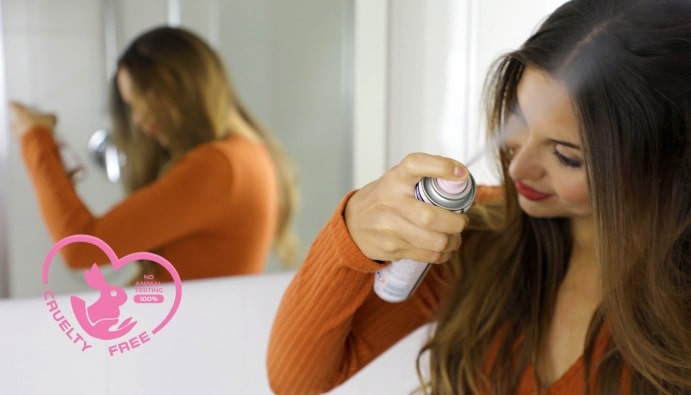
When a hair spray carries a cruelty-free certification, it indicates that animals were not intentionally used for testing during the product’s development and production processes. This definition applies to hair sprays just as it does to other cosmetic products, but there are some key differences to note in this category. Hairsprays differ from other cosmetic products due to the polymers, solvents, and propellants they contain. Each of these components passes through various manufacturers along the supply chain, and the testing history of each must be documented. Furthermore, hairspray comes into contact with the user not only through the hair but also via inhalation. For this reason, the ethical soundness of the formulation plays a central role in the certification process, just as much as product safety does. The value of a cruelty-free certification for everyday products like hair spray becomes evident from several different perspectives. For a hairspray brand, a cruelty-free certification is the tangible manifestation of its ethical stance. This certification allows the brand to have its commitment to animal welfare verified by an independent third party. Especially in the professional haircare products market, such certifications are increasingly in demand. Salon chains and distributors are placing greater emphasis on ethical criteria when selecting products. The certification also contributes to the brand’s internal operations. Supplier selection, formulation development, and production planning are carried out with greater care to maintain this certification. The source of propellant gases used in aerosol formulations, in particular, is an issue that is often overlooked but is addressed in the certification process. From the consumer’s perspective, the value of a “cruelty-free” certification is largely tied to personal values. For someone who cares about animal welfare, this label offers the opportunity to make a conscious choice regarding a product that is part of their daily routine. Relying on the results of an independent assessment rather than the brand’s own claims provides a more solid foundation for purchasing decisions. For brands considering cruelty-free certification for hair spray, some approaches complicate the process, while others directly hinder it. Knowing these points from the start saves both time and effort. The polymers, solvents, and propellants used in hair spray formulations are typically sourced from multiple suppliers. Some of these suppliers cannot provide clear information about their products’ testing history. Relying on verbal statements such as “We’ve been using the same formula for years; it hasn’t been tested” leads to serious problems as the process progresses. Such statements are not considered sufficient during the certification process, and written documentation is required. When people think of hair spray, the main ingredients usually come to mind: polymers, solvents, and propellants. However, fragrances, plasticizers, UV filters, and preservatives included in the formulation also fall under the scope of certification. It is necessary to ensure that these auxiliary ingredients do not contain animal-derived content. In particular, some fragrance components may contain animal-derived substances as carriers. In aerosol hair sprays, the propellant is a component that directly affects the product’s function. It must be documented that no animal testing was conducted during the production of this gas. Additionally, the packaging itself, the valve system, seals, and adhesives are also included in the certification scope. These details are often overlooked but are always addressed during the certification process. Phrases commonly seen on hair spray packaging, such as “plant-based formula” or “natural ingredients,” do not mean the product is cruelty-free. These phrases merely provide a clue about the source of the ingredients; they do not indicate that no animal testing was conducted. It is important to understand from the outset that such phrases cannot be used as evidence during the certification process. Any change to a hair spray formulation—such as the use of a new polymer or a different propellant—directly impacts the certification process. Failure to report such changes in advance leads to serious delays in the certification process. Sharing changes transparently both speeds up the process and prevents potential issues from arising later on. There are a few practical points for those who want to choose a cruelty-free hair spray. First, check the certification logo on the product and verify that the logo belongs to an independent certification body. There is a significant difference in reliability between a symbol designed by the brand itself and an independent certification. Reading the ingredient list is also important. Ingredients such as lanolin, silk protein, beeswax, and carmine can also be found in hair sprays. The fact that a product is labeled as “professional” or “salon quality” does not mean it is free of animal-derived ingredients. In short, the certification logo and the ingredient list are two essential sources of information that should be reviewed together. In everyday products like hair spray, a cruelty-free certification is a silent document that shapes both the brand’s ethical stance and the consumer’s daily choices. The value of this certification lies not merely in displaying a logo, but in upholding the commitment behind it, maintaining transparency in the supply chain, and offering a conscious choice even in the smallest interactions of daily life.
Hairspray is one of the most overlooked yet most widely used products in the world of cosmetics. It’s the finishing touch to your morning routine, a must-have for special occasions, and a tool that hairdressers never put down. So why is cruelty-free certification even discussed for such an everyday product? Because hairspray, due to its formulation and method of use, presents some unique considerations in the certification process. In this article, we’ll explore the value of cruelty-free certification specifically for hairspray, the mistakes manufacturers should avoid, and what consumers should look for.
What does the “cruelty-free” label mean for hair spray?
Why is it valuable?What does it mean for the brand?
What does this mean for consumers?
Points Manufacturers Should AvoidProceeding based on vague supplier statements
Overlooking auxiliary ingredients in the formulation
Omitting the packaging and propellant system
Relying on the terms “plant-based” or “natural”
Failure to Report Formulation Changes in Advance
What should consumers look for?