























Is Beeswax Vegan? | Animal-Friendly Consumption
Is Beeswax Vegan?
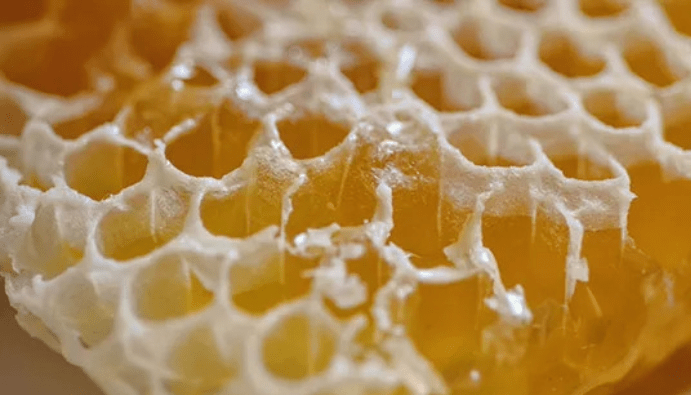
What Is Beeswax?
Beeswax is a natural wax produced by honeybees (Apis mellifera). Bees secrete beeswax to build their honeycombs. Beeswax is widely used in many industries due to its hydrophobic (water-repellent) structure, protective properties, and ability to soften the skin.
In Which Products and Fields Is It Used?
1. Cosmetics and Skin Care Products
Products in which it is used as a moisturizer and preservative:
✔ Lip balms and lipsticks✔ Creams and lotions
✔ Body oils and ointments
✔ Natural soaps
✔ Makeup products (mascara, eyeliner, foundation)
Beeswax is used in many personal care products because of its skin-softening and moisturizing properties.
2. Food Industry
It is used in foods as a natural coating and additive:
✔ As a surface coating for fruits and vegetables (for shine and shelf life)✔ As an outer coating for candies and chocolates
✔ In cheese coatings (e.g., Gouda and Edam cheeses)
✔ In chewing gum production
When used as a food additive, it is labeled with the code “E901.”
3. Pharmaceutical and Healthcare Sector
Beeswax is used in the coating of pharmaceuticals and medical products:
✔ Tablet coatings (for controlled-release formulations)✔ Natural ointments and wound care products
✔ As a moisturizer in nasal sprays and nasal strips
4. Candles and Household Products
It is used as a natural fuel:
✔ Beeswax candles (do not emit harmful chemicals when burning; provide a clean burn)✔ Furniture polishes and wood preservatives
✔ Shoe polishes and leather care products
Beeswax burns longer than traditional petroleum-based candles and does not emit toxic fumes.
5. Industrial and Technical Uses
Beeswax is also used in various industries:
✔ As a molding material in dentistry✔ In mold preparation for the metal casting industry
✔ To make sewing threads waterproof
✔ For reuse in beekeeping and honeycomb production
Is Beeswax Vegan?
No, it is not vegan. Since beeswax is derived from honeybees, it is an animal product and is not considered vegan.
🔹 Why?
✔ Commercial beekeeping practices can have negative effects on bee populations (for example, exploiting hives and altering the bees’ life cycle).
Some vegans choose not to use beeswax to avoid contributing to animal exploitation.
Plant-Based Alternatives to Beeswax
Vegan-friendly alternatives are plant-based or synthetic waxes that offer similar properties to beeswax. Here are some common vegan alternatives:
1. Candelilla Wax: It is one of the best alternatives to beeswax. It is derived from the candelilla plant. It is as hard as beeswax but is lighter and plant-based. It can be used in lipstick, lip balm, lotion, candles, and furniture polish.2. Carnauba Wax (Carnauba Wax): It is one of the most commonly used vegan alternatives to beeswax. It is derived from the carnauba palm, which grows in Brazil. It is widely used in food coatings, cosmetics, and polishes. It is particularly preferred in lipsticks, lip balms, and polishes.
3. Soy Wax: It is an excellent alternative for making vegan candles. It is derived from soybeans. Like beeswax, it is waterproof and long-lasting. It is used in candle making, lotions, and furniture polish.
4. Sunflower Wax: It is a vegan alternative used in cosmetics and skincare products. It is derived from sunflower oil. It has moisturizing properties. It is suitable for lip balms, creams, and lipsticks.
5. Berry Wax: It is a skin-friendly, light, and soft alternative. It is derived from fruit peels. It is used in cosmetics and is suitable for products with a soft texture.
Nanocert Certification Organization continues to provide services under Vegan Product Analysis and Certification. We also offer services regarding the Cruelty-Free Certification.
For the latest news and updates about our services, you can follow us on LinkedIn.
To stay updated on our latest blog posts, follow our Instagram account.