























Is Sugar Vegan? The Processing Process and Alternatives
Is Sugar Always Considered Vegan?
What Is Sugar?
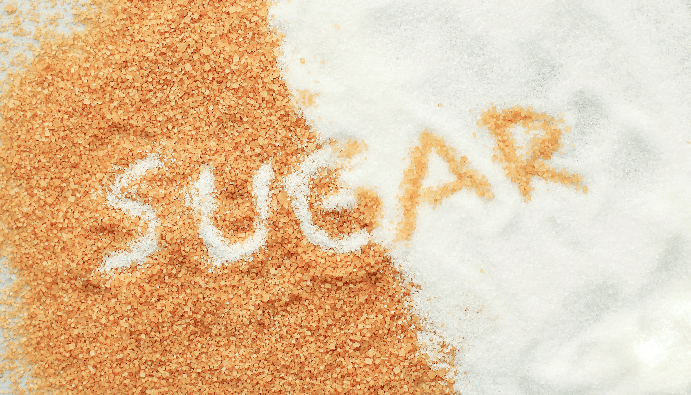
Sugar is a sweet compound belonging to the carbohydrate class and is generally composed of components such as sucrose, glucose, and fructose. The most commonly used type is table sugar (sucrose), which is typically derived from sugarcane or sugar beets.
In Which Products and Fields Is It Used?
1. Food Industry→ Products in which it is used as a sweetener and preservative:
✔ Desserts and baked goods (cakes, cookies, pastries, börek, baklava)
✔ Beverages (carbonated drinks, fruit juices, energy drinks, coffee and tea sweeteners)
✔ Jams, marmalades, and honey alternatives
✔ Chocolate and candies
✔ Sauces and ready-to-eat meals (ketchup, mayonnaise, salad dressings, canned goods)
✔ Ice cream and dairy-based desserts
In food products, sugar is used not only to add flavor but also to extend shelf life.
2. Pharmaceutical Industry
→ Sugar is used as a sweetener and stabilizer in some medications:
✔ Syrups and lozenges
✔ Chewable vitamins
✔ Tablet coatings
3. Cosmetics and Skincare
→ Products in which it is used as an exfoliant and moisturizer:
✔ Lip scrubs and facial scrubs
✔ Moisturizing creams and shampoos
✔ Toothpastes (as a natural sweetener)
4. Industrial and Biofuel Production
→ Used in fermentation processes:
✔ Alcohol production (beer, wine, liqueur)
✔ Biofuel production (sugar-based fermentation for ethanol production)
✔ Laboratory use for feeding bacterial cultures
Is Sugar Vegan?
🔹 Sugar produced from sugar beets is vegan. However, sugar produced from sugarcane may sometimes not be vegan. The reason for this is that ✔ Bone char may be used during the refining (bleaching) of sugar.
✔ Bone char is obtained by burning animal bones to create a carbon filter and is used as a filtration agent in some sugar production facilities.
Vegan-friendly sugars:
✔ Certified organic sugars
✔ Raw sugar (unrefined sugar)
✔ Sugars produced from sugar beets
Sugars to be cautious about:
✔ White refined sugar (if produced from sugarcane, bone char may have been used)
✔ Brown sugar (some brands produce it by adding molasses to white sugar; white sugar may have been processed with bone char)
✔ Powdered sugar (some manufacturers make it by grinding bone-char-filtered white sugar)
What Are the Plant-Based Alternatives?
If you prefer vegan sugar or are looking for more natural alternatives, you can consider the following options:
1. Coconut Sugar: It is derived from the nectar of the coconut flower. It has a low glycemic index and can be used as a direct substitute for sugar.
2. Maple Syrup: A natural sweetener derived from maple trees. It can be used in breakfasts and dessert recipes.
3. Molasses: Produced from plant sources such as grapes, carob, or mulberries. It is an iron-rich alternative.
4. Date Sugar: A natural sweetener derived from dates. It can be used in baked goods and desserts.
5. Stevia: A natural sweetener derived from the stevia plant. It is preferred as a diet sweetener because it has zero calories.
6. Agave Syrup: Produced from the agave plant, it is used as a sweetener in beverages and desserts. It can be used as an alternative to honey.
7. Xylitol and Erythritol: These are natural sweeteners derived from corn or birch trees. They are an alternative that helps protect dental health.
Nanocert Certification Organization continues to provide services under Vegan Food Analysis and Certification. We also provide services related to Cruelty-Free Certification.
For the latest news and updates about our services, follow us on LinkedIn.
To stay updated on our latest blog posts, follow our Instagram account.
22 Ağustos 2023