























Cruelty-Free Certification for Liquid Soap: Why Is It Important?
Cruelty-Free Certification for Liquid Hand Soap
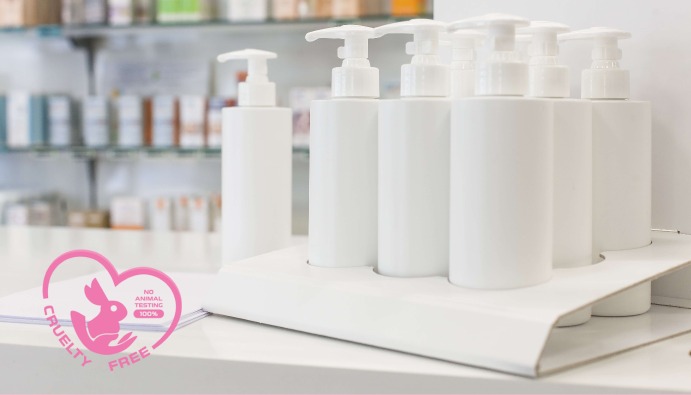
When a liquid soap carries a cruelty-free certification, it indicates that animals were not intentionally used for testing during the product’s production process. While this definition may sound simple, it holds great significance for a product like liquid soap, which is used thousands of times every day. This is because these products do not merely come into contact with the skin; they also mix with water and enter the sewer system, creating an environmental impact and becoming a regular part of daily routines. For this reason, the “cruelty-free” label in the liquid soap category not only demonstrates the brand’s ethical stance but also enables consumers to make a conscious choice in their daily lives. This awareness within the ordinary is, in fact, one of the certification’s most valuable aspects. The answer to this question cannot be summed up in a single sentence. The certification’s value consists of several interrelated layers. For a liquid soap brand, a “cruelty-free” certification is the visible manifestation of its ethical stance. This certification allows the brand to have its commitment to animal welfare verified by an independent third party. Such certifications are increasingly in demand, particularly among large retail chains and in corporate procurement processes. Ethical production criteria can be decisive in bulk purchases made by hotel chains, hospitals, schools, and public buildings. Beyond this, the certification also contributes to the brand’s internal operations. Supplier relationships, formulation decisions, and production processes are managed more carefully to uphold this certification. In the long term, this creates a positive impact that elevates operational quality. For consumers, the value of a cruelty-free certification is largely tied to personal values. For someone who cares about animal welfare, this label allows them to make a conscious choice when purchasing a product that is part of their daily routine. Relying on the results of an independent assessment rather than the brand’s own claims provides a more solid foundation for purchasing decisions. Although liquid soap is a relatively simple product category in terms of formulation, a few critical points stand out for brands considering cruelty-free certification. The main component of liquid soap is surfactants, which dissolve dirt and grease. While these ingredients are typically derived from plant-based or synthetic sources, in some cases they may be derived from animal-derived fatty acids. The manufacturer must clearly know and be able to document the source of the surfactants used—this is the first step in the application process. If this point is overlooked, it can lead to issues as the process moves forward. Various additives are used in liquid soaps to achieve a pleasant scent and attractive color. It is essential to ensure that these ingredients do not contain animal-derived components. In particular, some fragrance components may contain animal-derived substances as carriers. Some colorants may be derived from insects, and identifying these is one of the checks that must be performed before submission. Many liquid soaps contain glycerin, aloe vera, or various oils to prevent the skin from drying out. Since glycerin can be derived from both plant and animal sources, verifying its origin is important. Similarly, lanolin, beeswax, and certain protein derivatives may also be found in liquid soap formulations, and these are known to be of animal origin. The packaging, pump, and label of liquid soap are also included in the certification scope. Adhesives used in packaging production, gaskets inside the pump, and coatings on label paper may contain animal-derived ingredients. These details are often overlooked but are always addressed during the certification process. When discussing “cruelty-free” certification for everyday products like liquid soap, certain misconceptions frequently arise. The first is the belief that a “cruelty-free” label means the product is entirely natural or harmless to the skin. In reality, this label focuses solely on the absence of animal testing; it does not directly address the product’s chemical composition, allergenic potential, or environmental impact. The second misconception is the assumption that “cruelty-free” certification applies only to cosmetic products. Hygiene products, such as liquid soap, also fall under this category, and an increasing number of brands are pursuing certification in this area. The third misconception is the expectation that the certification is an absolute statement, such as “no animal testing was ever conducted.” In reality, the certification indicates that the current production process does not involve intentional animal testing, and this commitment requires the brand to maintain ongoing compliance. There are some practical tips for consumers who want to choose a cruelty-free liquid soap. First, check the certification logo on the product and verify that the logo belongs to an independent certification body. There is a significant difference in reliability between a symbol designed by the brand itself and an independent certification. Reading the ingredient list is also important. Ingredients such as glycerin, lanolin, beeswax, silk protein, and carmine may be of animal origin. The fact that a product is labeled “plant-based” or “natural” does not necessarily mean it is free of animal-derived ingredients. In short, the certification logo and the ingredient list are two essential sources of information that should be reviewed together. In a seemingly ordinary product like liquid soap, a cruelty-free certification is a silent statement that shapes both the brand’s ethical stance and the consumer’s daily choices. The value of this certification lies not merely in displaying a logo, but in upholding the commitment behind it, maintaining transparency in the supply chain, and offering a conscious choice even in the smallest interactions of daily life.
Liquid soap is one of the products we come into contact with most frequently throughout the day—at the sink, in the kitchen, at work, at school, at the hospital... Every time we wash our hands, we’re actually forming a silent connection with that product. So why is a “cruelty-free” certification even discussed for such an ordinary product? Because ordinariness often goes unnoticed. In this article, we’ll explore what “cruelty-free” certification means specifically for liquid soap, why it’s valuable, and the key points brands should keep in mind.
What does the “cruelty-free” label mean for everyday hygiene products?
Why is a “cruelty-free” certification valuable?From the brand’s perspective
From the consumer’s perspective
What should you look for in liquid soap?Surfactants in the formulation
Fragrance and Color-Adding Ingredients
Moisturizing and skin-care ingredients
Packaging and auxiliary materials
Three Common Misconceptions
What should consumers look for?
CLICK HERE FOR CRUELTY FREE CERTIFICATE.