























Plant-Based Milk Certification: Vegan Certification
What Is Plant-Based Milk?
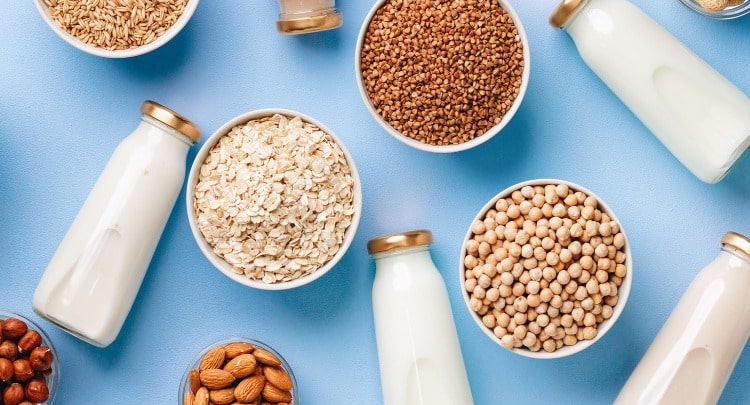
The Rise of Plant-Based Milk and the Need for Certification
In recent years, the number of plant-based milk alternatives on supermarket shelves has increased rapidly. Almond milk, soy milk, oat milk, coconut milk, rice milk, cashew milk, hazelnut milk... The options have multiplied so much that, as consumers, it has become difficult to even decide which one to choose. So how do we know if these products are truly “plant-based”? This is where certification and analysis processes come into play.
Plant-based milks have become one of the industry’s fastest-growing categories, driven by increasing consumer demand. However, this growth raises a question: Are these products really what they claim to be? Simply having “plant-based” or “vegan” on a product’s label isn’t enough to prove that the product meets these criteria. That’s why independent testing and certification processes are vital.
Why Is Certification Important for Plant-Based Milk?
The certification of plant-based milks plays a critical role in building consumer trust. For a product to be sold as “vegan” or “plant-based,” it must prove that it contains no animal-derived ingredients. This claim must not be limited to the label alone; it must be supported by independent testing and analysis.
For example, research shows that rapid and accurate analytical methods, such as low-field NMR spectroscopy, can be used to distinguish plant-based milk products from animal-based milk products. These types of analyses allow products to be evaluated based on parameters such as their carbohydrate profile and fatty acid profile.
Plant-Based Milk Certification Processes
There are various certification standards for plant-based milk products:
- Vegan Certification: Confirms that the product contains no animal-derived ingredients and has not been tested on animals.
- Organic Certification: Certifies that the product was produced using organic farming methods and contains no synthetic chemicals.
- Non-GMO Certification: Verifies that the product does not contain genetically modified organisms.
- Gluten-Free Certification: Confirms that the product is gluten-free.
How Is Plant-Based Milk Analyzed?
The process we at Nanocert follow to verify that a plant-based milk product is truly vegan:
1. Ingredient Screening
All of the product’s ingredients are examined individually. Substances that may be of animal origin—such as milk powder, casein, lactose, and whey protein—are investigated.
2. Laboratory Tests
Product samples are sent to a laboratory. Tests are conducted to check for any traces of animal DNA or protein. These tests scientifically verify the product’s plant-based claim.
3. Supplier Audit
Not only the product but also the supply chain is inspected. Suppliers of the raw materials used must provide documentation proving that they are plant-based.
4. Production Process Review
The equipment used in plant-based milk production is inspected for the risk of cross-contamination with animal products.
What Should You Look for When Buying Plant-Based Milk?
- Check for Certifications: Look for independent certifications such as vegan, organic, and non-GMO.
- Read the Ingredients List: Watch out for animal-derived terms such as “milk powder,” “casein,” “lactose,” and “whey protein.”
- Question Ingredients with Unclear Sources: Investigate the source of phrases like “natural flavor” or “vegetable oil.”
- Research the Brand: Learn about the brand’s transparency policy and production processes.
- Look for the Nanocert Vegan Certification: When you see the Nanocert logo on products, you can be sure they have undergone reliable testing and analysis processes.
Frequently Asked Questions
Are all plant-based milks vegan?
No. Just because a product is “plant-based” doesn’t automatically mean it’s vegan. Some products may contain animal-derived additives or vitamin D3 (derived from lanolin).
Why is plant-based milk certification important?
Certification shows that a product’s claims have been verified by independent organizations. It is a critical factor for consumer confidence.
Are plant-based milks tested on animals?
Truly vegan-certified products are not tested on animals.
Is organic plant-based milk vegan?
Being “organic” does not mean the product is vegan. Organic products may also contain animal-derived additives. A vegan certification must also be sought.
CLICK HERE TO GET A PRICE OFFER.