























Vegan Cheese Certification: The Process
Vegan Cheese Production and Consumption Around the World
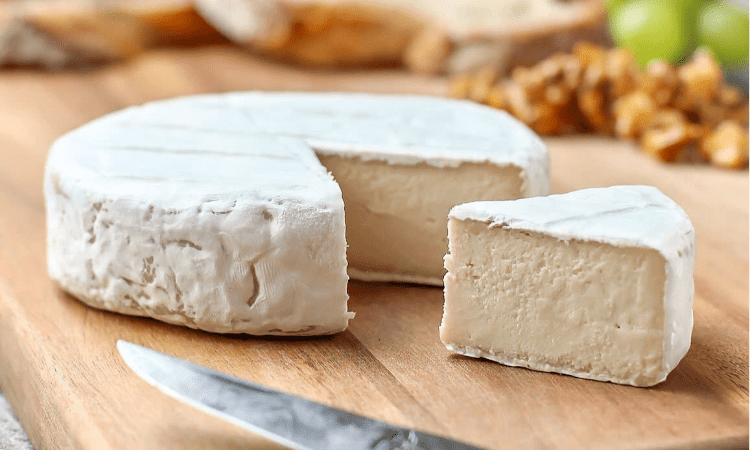
Vegan Cheese Certification: Process and Standards
As plant-based diets become increasingly common, vegan cheeses are also appearing more frequently on supermarket shelves. Made from almonds, cashews, soybeans, coconuts, and even pea protein, these cheese alternatives have become serious competitors to traditional cheeses in terms of both taste and texture. So how can we trust the claim that these products are “vegan”? This is where the vegan cheese certification process comes into play.
Vegan cheese certification involves an independent organization testing and verifying that a product contains no animal-derived ingredients. This process provides a scientific basis for manufacturers to use the “vegan” label. Unfortunately, simply marketing a product as “plant-based” does not, on its own, guarantee that it contains no animal-derived ingredients.
What Animal-Based Ingredients Might Be Hidden in Vegan Cheese?
The most common issue in vegan cheese production is additives that may be of animal origin. For example, whey protein or casein may be added to some plant-based cheeses to improve texture or enhance meltability. However, these ingredients are derived from cow’s milk. Similarly, carmine (E120), used as a coloring agent in some cheese alternatives, is derived from the cochineal insect. Furthermore, it may not be clear whether ingredients such as glycerin or stearic acid are derived from plant-based or animal-derived fats.
Therefore, the fact that a product is labeled “plant-based” or “vegan” does not necessarily mean it contains no animal-derived ingredients. This claim must be backed by independent testing and analysis. This is precisely where the vegan cheese certification process comes into play.
How Does the Vegan Cheese Certification Process Work?
The certification process we implement at Nanocert begins with the manufacturer’s application. During the application, all product ingredient information, a list of suppliers, and details about the production facility are shared. A preliminary assessment is conducted based on this information.
Next, the product’s ingredient list is examined in detail. Ingredients that carry a risk of being of animal origin—such as milk protein, casein, whey protein, lactose, carmine, gelatin, lanolin, glycerin sources, and stearic acid sources—are checked one by one. Ingredients with an unclear source, in particular, are scrutinized in detail at this stage.
In the next stage, product samples are sent to a laboratory. There, they are tested for the presence of animal DNA or protein residues. These tests scientifically validate the product’s vegan claim. At the same time, the supply chain is audited. Suppliers of the raw materials used must provide documentation proving that the materials are not of animal origin.
Inspection of the production facility is also a crucial part of the process. The goal here is to control the risk of cross-contamination that could arise from producing vegan cheese in the same environment as animal-based products. Measures such as separate production lines or the implementation of effective cleaning protocols are examined.
Once all these stages are successfully completed, the product is awarded the Nanocert Vegan Certification. This certification officially confirms that the product contains no animal-derived ingredients. Furthermore, this certification is not a one-time grant; it is renewed through annual inspections, and the product is retested if there are any changes to its ingredients.
Benefits of Vegan Cheese Certification for the Brand
Obtaining vegan cheese certification offers numerous benefits to the brand. Consumers are becoming increasingly conscious and are paying close attention to the ingredients in the products they purchase. A certified product provides them with assurance and enhances the trust they place in the brand. This, in turn, strengthens brand loyalty and increases repeat purchase rates.
Additionally, vegan certification is a key competitive advantage that sets products apart from competitors. Today, many retailers and e-commerce platforms prefer certified vegan products. A certification with international recognition also makes it easier for the brand to expand into foreign markets.
Perhaps the most important advantage is transparency. Vegan certification allows the manufacturer to transparently present the production process to the consumer. This strengthens the brand’s reputation and lays the foundation for long-term success.
Vegan cheese certification is not just a label; it is also a relationship of trust built with the consumer. Backing up your claim that your products are “vegan” with scientific analysis protects both you and your consumers. At Nanocert, we analyze your products down to the finest detail and provide a reliable certification service.
Remember, accurate information starts with transparency. With vegan cheese certification, you can set your products apart and provide assurance to consumers.
Frequently Asked Questions
Is vegan cheese certification mandatory?
No, it is not mandatory. However, obtaining it voluntarily provides a significant advantage for your brand and increases consumer trust.
How long does vegan cheese certification take?
It varies from a few weeks to a few months, depending on the type of product, the intensity of the testing process, and how quickly the documentation is completed.
Are plant-based cheeses automatically vegan?
No. Just because a product is “plant-based” does not mean it contains no animal-derived ingredients. Some plant-based cheeses may contain animal-derived additives such as milk protein, casein, or whey protein.
Is vegan cheese certification valid indefinitely?
No, it is granted for a specific period and is renewed through annual inspections. Retesting may be required if there are changes to the product’s ingredients.
CLICK HERE TO GET A PRICE OFFER.