























Vegan Diet: A Healthy Start to a Plant-Based Lifestyle
What Should Vegans Eat?
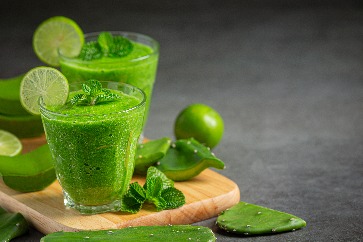
“But where will you get your protein?” This is a classic question that everyone who takes the first step toward a vegan diet hears. The answer, however, lies in a world much broader than you might think.
A vegan diet is based on avoiding all animal-derived foods. However, when well-planned, it can be extremely healthy and nutritious for people of all ages. In this article, we’ll discuss how to put together a balanced plant-based meal free from common fears.
How Do You Create a Balanced Vegan Plate?
The key to a plant-based diet is variety. Instead of relying on a single “superfood,” you need to combine the four main food groups at every meal.
The table below shows how you can meet your basic nutritional needs when transitioning from an animal-based diet to a plant-based diet:
| Nutrient | Animal Source | Plant-Based Equivalent |
|---|---|---|
| Protein | Chicken breast, eggs, whey | Lentils, chickpeas, tofu, tempeh, seitan, quinoa |
| Iron | Red meat, liver | Spinach, kale, lentils, pumpkin seeds (consume with vitamin C) |
| Calcium | Cow’s milk, yogurt, cheese | Fortified plant-based milks, almonds, tahini, broccoli |
| Omega-3 | Salmon, mackerel | Flaxseeds, chia seeds, walnuts |
Most Frequently Asked Questions: B12 and Other Critical Points
Perhaps the most frequently discussed topic regarding a vegan diet is vitamin B12. This is because this vitamin is found naturally only in animal-based foods. Plants do not contain B12.
That is why taking a B12 supplement or consuming B12-fortified foods is not a matter of choice but an absolute necessity for everyone following a vegan diet. A deficiency can lead to irreversible damage to the nervous system.
Other Nutrients Requiring Supplements
- Vitamin D: Especially during the winter months when sunlight is scarce, plant-based D3 (from lichen) or D2 supplements should be considered.
- Iodine: If seaweed is consumed irregularly, using iodized salt or taking a supplement is recommended. It is critical for thyroid health.
- Zinc: Found in whole grains and legumes, but absorption is difficult. Pumpkin seeds and cashews are excellent sources.
- Iron: The absorption of plant-based iron is low. Drinking a glass of orange juice with a meal triples absorption.
All this information may seem daunting, but don’t worry. A well-rounded vegan who avoids processed foods can easily meet all of their body’s nutritional needs.
To have your products analyzed and obtain vegan certification, contact Nanocert!