























A Vegan Food Guide for Manufacturers: Raw Materials and Analysis Processes
A Vegan Food Guide for Manufacturers: Raw Materials and Analysis Processes
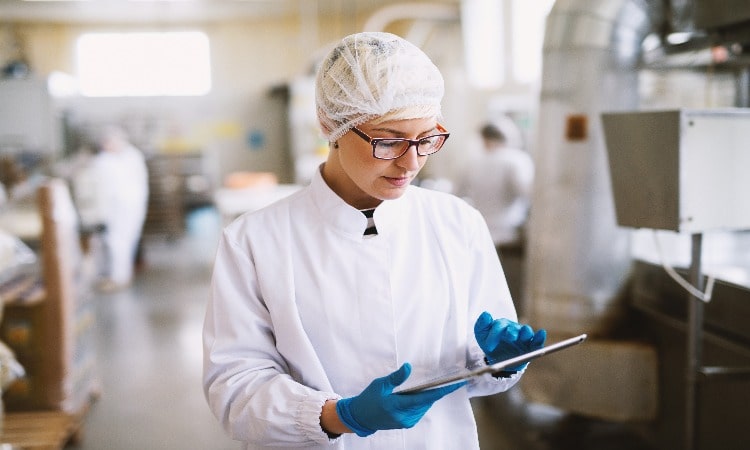
How Is Vegan Food Produced? Processes, Standards, and Certification
The vegan food market is growing every day. Consumers now prefer foods that are not only plant-based but also produced in a reliable and transparent manner. So, what is required during the production process for a food product to be labeled “vegan”? Here’s a look behind the scenes of vegan food production!
What Does Vegan Food Production Mean?
Vegan food production means that no animal-derived ingredients are used at any stage of the product’s production. But this isn’t just about “no meat.” Every detail—from the additives used in the production process to the packaging materials, and from transportation conditions to storage conditions—must comply with vegan criteria.
Key Steps in Vegan Food Production
Here are the key steps that must be followed to produce a vegan product:
1. Raw Material Selection and Sourcing
It all starts at the beginning. All raw materials used in vegan food production must be plant-based or synthetic in origin. The most important factor at this stage is the reliability of suppliers. Manufacturers must ensure that the raw materials contain no animal-derived ingredients.
For example, emulsifiers, colorants, or preservatives used in a plant-based product can sometimes be of animal origin. For this reason it is very important to request product certificates and analysis reports from raw material suppliers.
2. Production Process and Cross-Contamination Prevention
One of the most critical aspects of vegan food production is the risk of cross-contamination . If a facility also produces animal-derived products, strict measures must be taken to ensure that vegan products do not come into contact with animal-derived residues.
To this end:
-
Vegan products must be produced on separate production lines,
-
Separate equipment must be used,
-
Cleaning protocols must be strictly followed,
-
Staff must be trained.
3. Analysis and Testing Processes
The only way to verify that a product is truly vegan is through laboratory analyses. The following tests must be conducted during the production process:
-
Non-Contains Tests: These tests determine whether the product contains any traces of animal DNA or protein.
-
Label Verification: The consistency between the product’s contents and the label claims is verified.
-
Additive Analysis: It is verified that the colorants, preservatives, and flavorings used are plant-based.
As Nanocert , we meticulously conduct these analyses in independent laboratories for vegan food production.
4. Packaging and Labeling
The packaging of a vegan product must also be vegan! This means:
-
No animal-derived adhesives should be used in the packaging,
-
Printing inks must not contain animal-derived ingredients,
-
The term “vegan” must be clearly and transparently displayed on labels.
Furthermore, products with vegan certification may display this certification on their labels. This instills confidence in the consumer.
5. Storage and Transportation
This stage is often overlooked but is very important. If vegan products are stored in the same warehouse or transported in the same vehicles as animal-derived products, the risk of cross-contamination increases. Therefore, storage and transportation conditions must also comply with vegan standards.
Why Is Certification Important in Vegan Food Production?
A manufacturer can label its own product as “vegan.” But how can consumers trust this claim? This is where independent certification comes into play. A vegan certification means that the entire production process of the product has been inspected and analyzed.
The Nanocert Vegan Certificationensures that a product:
-
Contains no animal-derived ingredients,
-
Is protected against cross-contamination,
-
That the label claims are accurate,
-
It guarantees a transparent production process.
The Most Common Mistakes in Vegan Food Production
-
Labeling errors: Using the “vegan” label even though the product contains animal-derived ingredients.
-
Lack of supplier control: Unreliable raw material suppliers.
-
Ignoring cross-contamination: Producing vegan and non-vegan products on the same production line.
-
Failure to conduct testing: Relying solely on label claims without conducting analysis.
What Should You Do as a Consumer?
If you’re a vegan consumer, the easiest way to choose reliable products is to select certified products . Independent certification logos on the packaging (Nanocert, Vegan Society, V-label, etc.) provide you with assurance.
You can also visit manufacturers’ websites to learn about their production processes and support transparent brands.
Final Thoughts for Producers
The vegan food market continues to grow, and consumers are becoming more aware. Simply labeling a product as “vegan” is no longer enough. Producing truly transparent, analyzed, and certified products boosts both consumer trust and brand value.
As Nanocert , we provide professional support to vegan food manufacturers in the areas of product analysis, process auditing, and certification. If you want to take your products to the next level and build a trusted brand, we’re here to help.
Remember, good production starts with transparency. 🌱💚
For the latest news and updates about our services, follow us on LinkedIn.
To stay updated on our latest blog posts, follow our Instagram account.