























Vegan Sabun Analizleri: İçindekiler ve Sertifikasyon
Vegan Soap Certificate
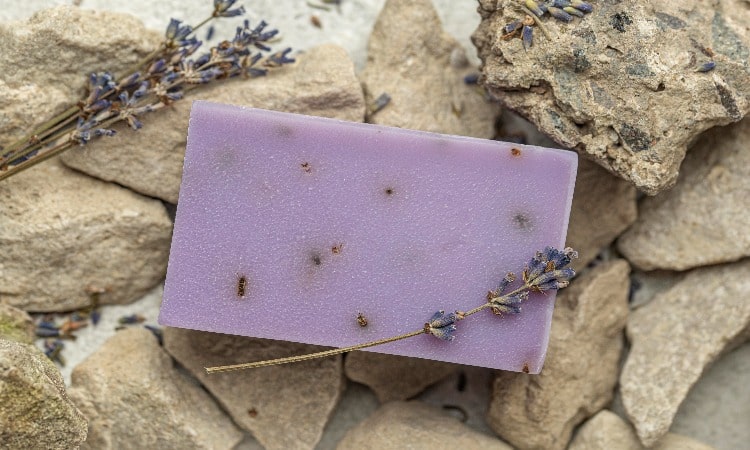
The Hidden Ingredients in Your Soap: Is It Vegan or Not?
We wash our hands, take showers, and clean ourselves. But have you ever wondered what’s actually inside the soaps that are an indispensable part of our cleaning routine? Most of us only pay attention to their pleasant scent or how well they lather. Yet, without realizing it, soaps may contain many ingredients of animal origin.
Although we tend to think of natural and plant-based products when we hear the word “soap,” many animal-derived ingredients can be used in traditional soap production and commercial soaps. That’s why determining whether a soap is “vegan” requires much more than just looking at the green labels on the packaging.
Animal-Derived Ingredients Used in Soap Production
What to Look for in the Ingredients List?
- Animal Fats (Tallow): Derived from the internal fats of animals such as cattle and sheep. It gives soap its hardness and lather. It may appear on the ingredients list as “sodium tallowate” or “potassium tallowate.”
- Pork Fat (Lard): Derived from pork fat. It gives the soap a creamy texture.
- Glycerin: Obtained as a byproduct of soap production. In soaps made from animal fats, the glycerin is also of animal origin. In plant-based soaps, however, glycerin is derived from plant oils.
- Sodium Lauryl Sulfate (SLS) and Sodium Laureth Sulfate (SLES): Although these foaming agents are generally synthetic or plant-based, some manufacturers may also produce them from animal fats.
- Lanolin: A waxy substance derived from sheep’s wool. It is used as a moisturizer.
- Carmine (E120): Used as a red dye in some soaps. It is derived from the cochineal insect.
- Gelatin: May be used as a thickener or binder in some soaps.
- Spermaceti (Whale Oil): Although used in the past, it is rarely found today.
Animal-Derived Additives
In addition to these, some additives used in soaps may also be of animal origin:
- Milk and Milk Derivatives: Goat’s milk, cow’s milk, or milk powder are used as moisturizers in some soaps.
- Honey and Bee Products: Honey or propolis may be used as moisturizers in natural soaps.
- Natural Fragrances: The term “natural fragrance” can sometimes mask castoreum (beaver secretion), which may be of animal origin.
What Is Vegan Soap and What Ingredients Does It Contain?
Vegan soaps are products that contain no animal-derived ingredients and are not tested on animals. Instead, they use the following ingredients:
- Plant-Based Oils: Plant-derived oils such as olive oil, coconut oil, palm oil, sunflower oil, jojoba oil, and shea butter.
- Vegetable Glycerin: Formed naturally during soap production or derived from vegetable oils.
- Essential Oils: Natural fragrances derived from plants such as lavender, mint, eucalyptus, and tea tree.
- Natural Colorants: Natural colorants such as beet powder for red, chlorophyll for green, and turmeric for yellow.
- Sea Salt and Clay: Natural additives of mineral origin.
- Vitamin E: A natural preservative derived from plant sources.
How Is a Vegan Soap Analyzed?
To verify that a soap is truly vegan, it must undergo a rigorous analysis process. The process we follow at Nanocert:
1. Ingredient List Review
All of the soap’s ingredients are examined one by one. Suspicious substances such as animal fats, glycerin sources, SLS/SLES sources, lanolin, carmine, and gelatin are investigated.
2. Laboratory Tests
Product samples are sent to the laboratory. They are tested for the presence of animal DNA or protein residues. This is a critical step, especially for verifying ingredients of unknown origin (such as glycerin).
3. Supplier Audit
Not only the product but also the supply chain is inspected. Suppliers of the ingredients used must provide documentation proving that the ingredients are not of animal origin.
4. Production Process Review
The equipment used in soap production is inspected to determine whether it has come into contact with animal products. If there is a risk of cross-contamination, precautions must be taken.
What to Look for When Buying Vegan Soap?
- Choose Certified Products: There is a big difference between a product labeled “vegan” and one that is “vegan-certified.”
- Read the Label Carefully: Look for terms such as “sodium tallowate,” “potassium tallowate,” “lanolin,” “carmine,” and “gelatin” in the ingredient list.
- Research the Brand: Visit the brand’s official website. Learn about its stance on vegan and cruelty-free practices.
- Look for the Cruelty-Free Logo: Choose products that are not only vegan but also certified cruelty-free.
- Look for the Nanocert Vegan Certification: When you see the Nanocert logo on products, you can be sure they have undergone reliable testing and analysis processes.
Reliable Vegan Soap Analysis with Nanocert
As Nanocert, we conduct vegan analyses of soaps and all other personal care products in independent laboratories. Our process includes:
- Conducting ingredient screening
- Performing animal DNA testing
- Auditing the supply chain
- Visiting production facilities
- Verifying cruelty-free criteria
We award the Nanocert Vegan Certification to products that successfully pass all stages.
Remember, a clear conscience is just as important as clear skin.
Frequently Asked Questions
Are all soaps vegan?
No. Many traditional soaps contain animal fats (tallow, lard). Animal-derived additives such as glycerin, lanolin, and carmine may also be used.
How can you tell if a soap is vegan?
The most reliable method is to look for a “vegan certification” logo issued by an independent organization on the product. You should also check the ingredient list for animal fats and their derivatives.
Are vegan soaps more expensive?
It varies by brand. However, there are now many affordable vegan soap options available. The price difference is generally related to the quality of the plant-based oils used.
Are handmade soaps vegan?
Not all handmade soaps are vegan. Handmade soaps may also contain animal fats or animal-derived products such as milk or honey. You should ask the manufacturer or read the label.
Is vegan soap better for the skin?
Generally, vegan soaps are gentle on the skin because they contain plant-based oils. However, every skin type is different. You should evaluate them based on their ingredients.