























Vegan Vitamin Supplement Certification
What Is the Importance of Vitamin Supplements in a Vegan Diet?
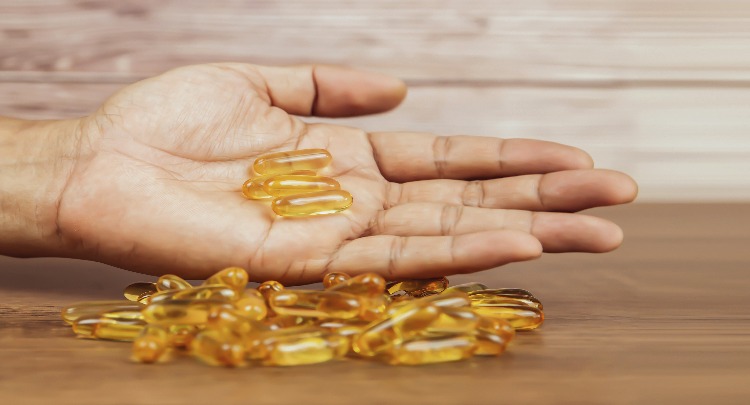
A Guide to Vegan Vitamin Certifications: The Truth Behind the Label
You pick up a bottle of vitamins. It says “Vegan” in big letters on the label. You buy it without a second thought. But how sure are you that the product is actually vegan?
What provides that assurance is precisely the vegan vitamin supplement certification process. In this article, we’ll focus not on the magical world of logos, but on the concrete assurance mechanism behind them.
Why Do We Need a Certification?
A brand simply stating “our ingredients are entirely plant-based” is no longer sufficient on its own for today’s consumers. When we dig into the details, the primary vitamin source isn’t the only factor determining whether a supplement is vegan.
The table below summarizes the key differences between a standard supplement and a certified vegan supplement, highlighting how they diverge in the unseen stages of production:
| Focus | Standard Production (Declaration-Based) | Certified Vegan Production |
|---|---|---|
| Capsule Composition | Typically beef gelatin. Even if labeled “plant-based,” you can’t be entirely sure. | Plant-based polymers such as cellulose or pullulan. Traceable all the way back to the raw material supplier. |
| Excipients | Flow agents of unknown origin (plant-based/animal-based), such as magnesium stearate. | Excipients verified and certified as 100% plant-based. |
| Vitamin D3 Source | Lanolin, primarily derived from sheep’s wool. Not suitable for a vegan diet. | Derived from lichens. Specifically classified as vegan D3. |
| Risk of Cross-Contamination | Products containing animal-derived ingredients may also be produced on the same production line; cleaning procedures do not guarantee compliance with standards. | The risk of cross-contamination is minimized through dedicated production lines or strictly validated cleaning protocols. |
How Does Certification Auditing Work?
This certification is much more than just putting a piece of paper on the table. Globally recognized independent organizations (such as V-Mark) initiate a detailed chain-of-custody audit before certifying a brand’s “vegan” claim.
This process resembles a detective story; it traces the origin of every single ingredient—from the vitamin A used to the raw material of the capsule—not just the final product.
The Two Fundamental Principles of Certification
- Tracing Raw Materials Back to Their Source: The brand’s suppliers are required to provide production flow charts and certificates of origin for the raw materials used by the manufacturer. Even a tiny enzyme in a mixture is scrutinized to determine which microorganism it comes from and in which growth medium (animal-based or plant-based) it was produced.
- Commitment to No Animal Testing: This is a critical detail that many people overlook. Even if a product is entirely plant-based, if the company or its supplier conducts animal testing to verify the product’s safety or efficacy, it cannot receive vegan certification. This is one of the clearest red lines in the certification process.