























What Are the Differences Between Vegan and Vegetarian Certifications? An Explanatory Guide
Vegan and Vegetarian Product Certification
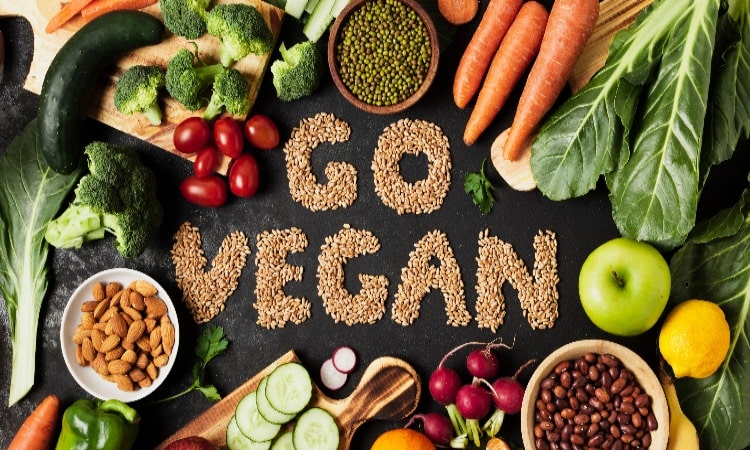
What Are the Differences Between Vegan and Vegetarian Certification? An Explanatory Guide
Vegan and vegetarian... These two terms are so often confused that some people even think they mean the same thing. However, there are very significant differences between them, both in terms of diet and lifestyle philosophy. But what about certification? That’s when things can get a bit more complicated. Let’s discuss these two concepts and the certification processes in the clearest possible way.
Let’s Start by Understanding the Basic Difference
To put it simply:
Vegetarianismmeans not consuming meat, poultry, fish, or seafood. However, animal-derived byproducts such as milk, yogurt, cheese, eggs, and honey may be consumed. In other words, vegetarians do not eat the meat of animals, but they can consume other animal products.
Veganism is much more comprehensive. Vegans do not consume any animal products. Meat, fish, and poultry are already off the table. In addition, milk, yogurt, cheese, eggs, and honey are also excluded from a vegan diet. Moreover, veganism is not limited to diet alone; animal-derived materials such as leather, wool, and silk are also excluded from daily life.
So, What’s the Difference in Terms of Certification?
This is where the real issue begins. The difference between vegan and vegetarian certifications lies in the criteria used to evaluate a product.
Vegetarian Certification
For a product to receive vegetarian certification :
-
It must not contain meat, poultry, fish, or seafood.
-
It must not contain additives of animal origin (e.g., gelatin).
-
However, it may contain animal by-products such as milk, eggs, and honey.
-
There must be no cross-contamination with meat products during the production process.
Example: Milk chocolate can receive a vegetarian certification because it contains no meat but does contain milk.
Vegan Certification
For a product to obtain vegan certification , much stricter rules apply:
-
It must not contain any animal-derived ingredients (meat, milk, eggs, honey, gelatin, carmine, etc.).
-
All additives used in production (colorants, preservatives, sweeteners) must be of plant-based or synthetic origin.
-
Packaging materials (adhesives, inks) must not contain any animal-derived ingredients.
-
The product must not be manufactured on the same production line as animal-derived products, or strict measures must be taken to prevent cross-contamination.
-
The product and its ingredients must not have been tested on animals (Cruelty-Free).
Example: Dark chocolate (dairy-free) can receive vegan certification.
Which Products Can Obtain Which Certification?
Let’s look at a few examples to better understand this distinction:
| Product | Vegetarian Certification | Vegan Certification |
|---|---|---|
| Milk Chocolate | ✅ Yes | ❌ No (contains milk) |
| Dark Chocolate | ✅ Yes | ✅ Yes |
| Egg Pasta | ✅ Yes | ❌ No (contains eggs) |
| Vegan Pasta (egg-free) | ✅ Yes | ✅ Yes |
| Honey Tahini | ✅ Yes | ❌ No (contains honey) |
| Plain Tahini | ✅ Yes | ✅ Yes |
| Classic Yogurt | ✅ Yes | ❌ No (contains milk) |
| Soy Yogurt | ✅ Yes | ✅ Yes |
Why Is the Right Certification Important?
Let’s look at it from the consumer’s perspective. A vegan cannot buy milk chocolate and trust the vegetarian certification by thinking, “Well, there’s no meat in it.” Because it contains milk. Similarly, a vegetarian can safely consume a vegan-certified product because it doesn’t contain meat anyway.
From the manufacturer’s perspective, obtaining the correct certification is crucial. Incorrect certification not only undermines consumer trust but also damages the brand’s reputation.
Proper Certification with Nanocert
At Nanocert , we meticulously analyze vegan and vegetarian products. Through laboratory tests, ingredient screenings, and production process audits, we determine which certification the product qualifies for.
-
Vegetarian Certification: For products that do not contain meat but may contain ingredients such as milk, eggs, or honey.
-
Vegan Certification: For products that contain no animal-derived ingredients and meet Cruelty-Free criteria.
Our goal is to provide consumers with reliable and transparent information and to offer certification services to manufacturers in accordance with international standards.
Frequently Asked Questions
Q: Can a product receive both vegetarian and vegan certification?
A: Yes, if the product contains no animal-derived ingredients and meets all vegan criteria, it is eligible for both certifications. Products that are already certified as vegan automatically meet the vegetarian criteria as well.
Q: Can vegans consume a product with a vegetarian certification?
A: No. A vegetarian certification means the product may contain milk, eggs, or honey. Vegans do not consume these products.
Q: Is it harder to obtain a vegan certification?
A: Yes, because the criteria are stricter. There must be no animal-derived ingredients, the production process must be protected against cross-contamination, and the product must meet “Cruelty-Free” standards.
The Right Certification, the Right Consumer
Understanding the difference between vegan and vegetarian certifications is vital for both consumers and producers. Incorrect labeling can lead to a loss of trust and even legal issues.
At Nanocert , we work to ensure that every product is properly analyzed and reaches consumers with the correct certification. If you want to have your products tested with confidence and obtain the right certification, we’re here to help.
Remember, accurate information starts with transparency. And the right documentation is the foundation of a trustworthy brand. 🌱💚
For the latest news and updates about our services, follow us on LinkedIn.
To stay updated on our latest blog posts, follow our Instagram account.