























What Is a Vegan Diet? Basic Principles, Benefits
What is Vegan Nutrition? What Foods Do Vegans Eat?
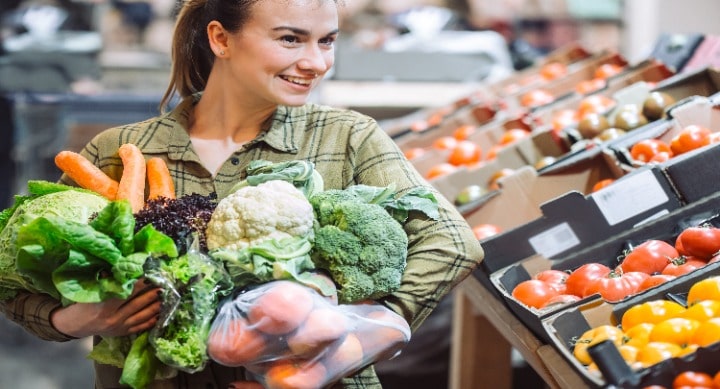
In recent years, we’ve been seeing more and more “vegan” labels on supermarket shelves. So what is a vegan diet? Is it really just a way of eating, or is it part of a much deeper philosophy of life? In this comprehensive guide, we’ll cover everything you’ve ever wanted to know, starting with the basics of a vegan diet, step by step.
A vegan diet, in its simplest terms, is a way of eating that excludes all foods derived from animals. This includes not only meat, poultry, fish, and seafood but also all animal-derived products such as milk, eggs, honey, cheese, butter, and yogurt. However, veganism often goes far beyond what’s on the plate; it is a holistic lifestyle that avoids the use of animal-derived materials such as leather, wool, and silk, and steers clear of cosmetics and cleaning products tested on animals.
People’s reasons for adopting a vegan diet are quite diverse. While for some it is an ethical stance against the conditions of industrial animal production, others focus on the scientifically proven benefits of a plant-based diet, particularly for heart health. Another growing group embraces this lifestyle out of environmental concerns, taking into account the livestock industry’s impact on carbon footprint, water consumption, and deforestation.
Differences Between Vegan, Vegetarian, and Other Plant-Based Diets
To fully understand the question “What is a vegan diet?”, it is necessary to clarify how it differs from other plant-based diets that are often confused with it. Although these dietary patterns—each based on different restrictions and philosophies—may appear similar at first glance, there are critical differences between them.
The table below provides a comparative overview of the most common plant-based diets in terms of the foods they do and do not consume:
| Diet Type | Meat / Fish | Dairy Products | Eggs | Honey | Core Philosophy |
|---|---|---|---|---|---|
| Vegan | ❌ Does not consume | ❌ Does not consume | ❌ Does not consume | ❌ Does not consume | No animal products are consumed; this typically extends to the entire lifestyle. |
| Lacto-vegetarian | ❌ Does not consume | ✅ Consumes | ❌ Does not consume | ✅ Consumes | No meat or eggs, but milk and dairy products are allowed. |
| Ovo-vegetarian | ❌ Does not consume | ❌ Does not consume | ✅ Consumes | ✅ Consumes | No meat or dairy products, but eggs are consumed. |
| Lacto-ovo vegetarian | ❌ Does not consume | ✅ Consumes | ✅ Consumes | ✅ Consumes | The most common type of vegetarianism; only meat and fish are avoided. |
| Pescatarian | ⚠️ Only fish | ✅ Consumes | ✅ Consumes | ✅ Consumes | No red meat or poultry; fish and seafood are permitted. |
| Flexitarian | ⚠️ Rarely | ✅ Consumes | ✅ Consumes | ✅ Consumes | Primarily plant-based, but open to consuming meat in special circumstances. |
As can be clearly seen from this table, a vegan diet has the most comprehensive restrictions among all plant-based diets. However, these restrictions bring with them incredible culinary creativity and the discovery of entirely new flavors. The dozens of varieties of plant-based milk, vegan cheese, meat alternatives, and ready-to-eat products found on supermarket shelves today are concrete evidence of this creativity.
Health Benefits of a Vegan Diet
A well-planned vegan diet offers numerous health benefits supported by scientific research. The key point is that these benefits are contingent on the diet being “well-planned.” A diet consisting of potato chips and soda may technically be vegan, but it cannot be considered healthy. The real benefits come from a dietary model that emphasizes unprocessed or minimally processed plant-based foods.
Below, you’ll find the benefits most frequently highlighted in the scientific literature:
- Supports heart and vascular health: A plant-based diet low in saturated fat and high in fiber helps lower cholesterol levels and balance blood pressure.
- Reduces the risk of Type 2 diabetes: A diet rich in whole grains, legumes, and vegetables increases insulin sensitivity and helps maintain stable blood sugar levels.
- Contributes to healthy weight management: Plant-based foods generally have a lower energy density, which naturally limits calorie intake while increasing feelings of fullness.
- Regulates the digestive system: Fiber, found exclusively in plant-based foods, nourishes the gut microbiome and supports regular bowel movements.
- May offer protection against certain types of cancer: The World Health Organization has classified processed meat as a Group 1 carcinogen. A plant-based diet is rich in antioxidants and phytochemicals.
- Reduces chronic inflammation: While certain compounds found in animal products can trigger an inflammatory response in the body, plant-based foods exhibit anti-inflammatory properties.
“A well-planned vegan diet is appropriate for all stages of the life cycle, including pregnancy, lactation, infancy, childhood, and adolescence.” — Academy of Nutrition and Dietetics
Things to Consider When Starting a Vegan Diet
As with any diet, it’s important to be mindful of getting all the nutrients your body needs in sufficient amounts when following a vegan diet. Paying extra attention to certain nutrients—especially for beginners—is key to a healthy and sustainable experience in the long term.
Critical Nutrients
- Vitamin B12: It is the only vitamin that must be obtained from external sources in a vegan diet. It is found naturally only in animal-based foods. A deficiency can lead to permanent nerve damage and anemia. Supplementation is essential.
- Iron: The absorption of plant-based iron is lower than that of animal-based iron. Lentils, chickpeas, spinach, and pumpkin seeds are excellent sources. Consuming vitamin C alongside them can increase absorption by up to three times.
- Calcium: Calcium needs can easily be met without dairy products. Fortified plant-based milks, almonds, sesame seeds, tahini, broccoli, and kale are excellent plant-based sources of calcium.
- Omega-3 Fatty Acids: Sources of ALA are critical for vegans who do not consume fish. Flaxseed, chia seeds, walnuts, and hemp seeds should be consumed regularly. If necessary, an algae-based DHA/EPA supplement may be considered.
- Vitamin D: The risk of deficiency increases in regions with insufficient sunlight and during the winter months. Diet should be supplemented with vegan D3 (from lichen) or D2.
- Iodine: It is vital for thyroid function. If seaweed is not consumed regularly, using iodized salt or taking a supplement is recommended. Extra attention should be paid to iodine intake, especially during pregnancy.
- Zinc: It is essential for the immune system and cell regeneration. Whole grains, legumes, pumpkin seeds, cashews, and quinoa are good plant-based sources of zinc.
- Protein: Contrary to popular belief, it is quite easy to meet your protein needs with an adequate and varied plant-based diet. Lentils, chickpeas, tofu, tempeh, seitan, quinoa, and peas are among the highest-quality sources of protein.
⚠️ Important Warning: Before transitioning to a vegan diet—especially if you have a chronic condition or take medication regularly—be sure to consult a doctor or a registered dietitian. Having your blood levels checked regularly will help you detect potential deficiencies early.
Tips for a Smooth Transition to a Vegan Diet
You don’t have to eliminate all animal products from your life overnight. In fact, those who make a gradual transition are much more likely to stick with this diet in the long term. Give yourself time for your body and palate to adjust to the new routine.
Here are some practical steps you can take for a smooth transition:
- Start with “Meatless Mondays”: Dedicate one day a week to a completely plant-based diet. This is a great way to start trying new recipes and building new habits.
- Explore plant-based milks: Try almond, oat, soy, or coconut milk instead of cow’s milk. Find out which one you like best in your coffee.
- Make legumes your friends: Chickpeas, lentils, and beans are excellent sources of protein, fiber, and iron. Include them regularly in your weekly menu.
- Try vegan cheese and yogurt alternatives: There’s an ever-growing selection of high-quality vegan cheese and yogurt options on the market. Keep in mind that flavors may vary by brand, so don’t hesitate to try a few.
- Do some research before eating out: Check the restaurant’s menu in advance. Most places now offer vegan options or can adapt existing dishes to be vegan.
When planned properly, a vegan diet is an extremely satisfying lifestyle that benefits both your body and the planet. The key is to approach this journey with curiosity and patience, allowing each new day to bring you new flavors and insights.